
US-Iran Negotiations End With Limited Progress as Technical Talks Move Forward

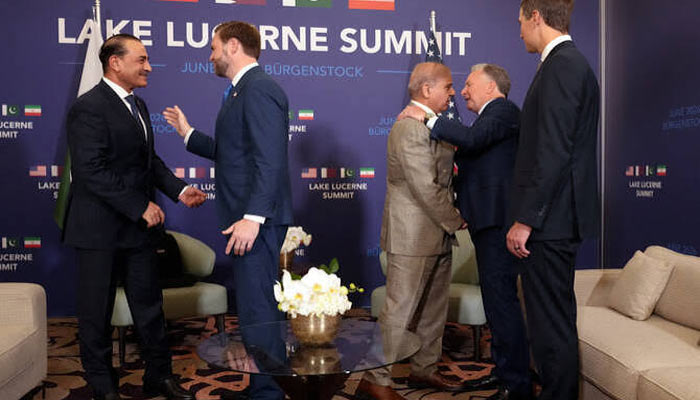
High-level talks between the United States and Iran aimed at securing a lasting end to the conflict concluded in Switzerland on Monday.
With both sides agreeing to continue technical-level discussions through the week and establish a new mechanism to address tensions in Lebanon. Mediators Pakistan and Qatar announced the creation of a “de-confliction cell” involving the Lebanese government to oversee the implementation of a cessation of military operations in Lebanon. However, questions remain over whether the arrangement can effectively curb hostilities between Israel and the Iran-backed Hezbollah movement.
US Vice President JD Vance described the negotiations as a positive first step toward a broader agreement.
“We’ve laid a successful foundation for a final deal,” Vance told reporters, adding that the talks marked the beginning of a 60-day diplomatic process designed to end the conflict permanently.
One of the key outcomes of the discussions was Iran’s reported agreement to allow inspectors from the International Atomic Energy Agency (IAEA) back into the country. Vance called the move a major milestone and an important step toward addressing international concerns over Iran’s nuclear programme.
The talks were overshadowed at times by sharp rhetoric from both sides. Iranian officials expressed anger over recent comments by US President Donald Trump, who warned Tehran against supporting armed groups in Lebanon and threatened further military action if attacks on Israel continued.
Iranian negotiators pushed back strongly, warning that Tehran would respond to any escalation. Despite the tensions, Iranian Foreign Minister Abbas Araghchi later praised Pakistani and Qatari mediation efforts, saying meaningful progress had been made, particularly on the Lebanon issue.
According to officials familiar with the discussions, negotiators also addressed concerns surrounding the Strait of Hormuz, a vital global energy route. While Iran claimed over the weekend that it had again shut the waterway, the US maintained that commercial shipping traffic continued uninterrupted.
The two sides remain divided on several key issues, including Iran’s uranium enrichment programme. Tehran has reiterated that it will not surrender what it considers its right to enrich uranium, while Washington continues to seek stronger guarantees that Iran’s nuclear activities remain peaceful.
The emerging framework would reportedly allow Iran greater access to international oil markets and frozen financial assets in exchange for nuclear commitments and continued diplomatic engagement.
Technical teams from both countries will now work through the details before senior officials reconvene later in the process. The success of the negotiations is expected to depend heavily on progress in Lebanon, the future of Iran’s nuclear programme and efforts to ensure stability in the Strait of Hormuz.
The diplomatic breakthrough was welcomed by financial markets, with oil prices falling sharply after news of the agreement, easing concerns about prolonged disruptions to global energy supplies.
Comments are closed.