
Diabetic Foot Care During Monsoon: Essential Tips to Prevent Infections

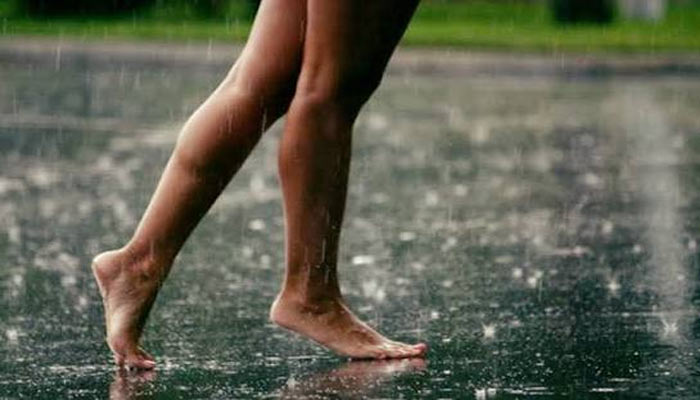
The monsoon may bring welcome relief from the heat, but it also creates the perfect conditions for bacterial and fungal infections—making foot care especially important for people with diabetes.
Whether you’re caught in the rain or forced to walk through waterlogged streets during your daily commute, exposure to contaminated water can significantly increase the risk of foot infections. Rainwater often contains sewage, bacteria, fungi and other harmful contaminants, which can easily enter the body through even the smallest cuts or blisters.
For people with diabetes, this risk is even greater. High blood sugar levels can slow wound healing, while diabetic neuropathy—a condition that reduces sensation in the feet—makes it difficult to notice minor injuries before they become serious.
Dr. Manu Shankar, Clinical Director and Head of Minimal Invasive, General, Laser & Robotic Surgery at Marengo Asia Hospitals, Faridabad, says the combination of wet weather, poor circulation, nerve damage and uncontrolled blood sugar creates an ideal environment for infections to develop.
“Feet are constantly exposed to minor injuries. During the monsoon, prolonged moisture softens the skin, making it more vulnerable to cracks, blisters and sores. If these injuries go unnoticed because of neuropathy, bacteria can enter the skin and lead to diabetic foot ulcers or severe infections,” he explains.
If left untreated, diabetic foot ulcers can become difficult to heal and may result in hospitalisation or, in severe cases, amputation.
Monsoon foot care tips for diabetics
The first step is to avoid prolonged contact with rainwater or flooded areas whenever possible. If your feet do get wet, wash them thoroughly with clean water and mild soap as soon as you return home.
Dr. Shankar recommends making foot care a daily routine during the rainy season. Soaking your feet briefly in lukewarm water can help remove dirt and soften the skin, after which they should be cleaned gently and dried completely—especially between the toes, where moisture tends to linger.
People with diabetes should also examine their feet every day for cuts, blisters, swelling, redness or cracks. Since nerve damage can reduce pain sensation, visual inspection is often the only way to identify injuries early.
Keeping the skin moisturised with a foot cream or coconut oil can help prevent dryness and cracking, although moisturiser should not be applied between the toes, where excess moisture may encourage fungal growth.
Experts also advise trimming toenails straight across to reduce the risk of ingrown nails and avoiding walking barefoot, even indoors. Wearing clean, well-fitting closed shoes along with dry socks provides an added layer of protection against injuries and contamination. Socks should be changed whenever they become damp.
“Simple daily foot care can go a long way in preventing serious complications during the monsoon. Early detection of even minor injuries is crucial for people living with diabetes,” Dr. Shankar says.
Comments are closed.