
Explained: The Climate Factors Behind Europe’s Deadly Wildfires and Heatwaves

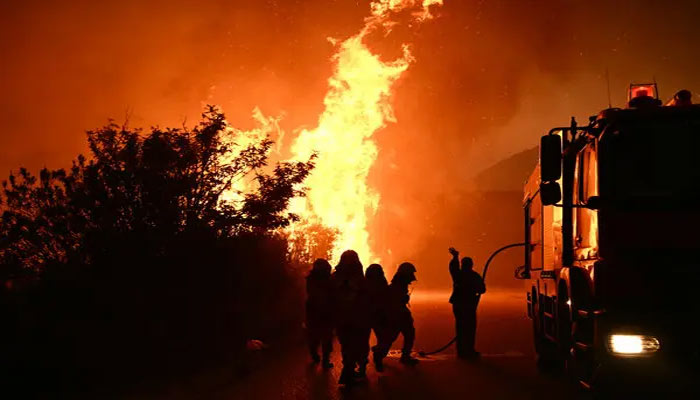
Europe’s Wildfires Explained: How Heatwaves and Climate Change Are Fueling the Crisis
Europe is battling one of its worst wildfire seasons in years, with massive blazes sweeping across France and Spain, forcing more than 300,000 people to evacuate and destroying forests, farmland and homes.
France is witnessing its most severe wildfires in two decades, while Spain has also been hit by deadly fires following weeks of record-breaking heat. Scientists say the disaster is not an isolated weather event but the result of prolonged heatwaves, drought and climate change creating ideal conditions for fires to spread rapidly.
Why Are Europe’s Wildfires So Severe?
Experts say weeks of extreme heat dried out forests and vegetation across southern Europe, turning vast areas into highly combustible fuel. According to Chaitanya Deshpande, a PhD scholar at the Centre for European Studies, Jawaharlal Nehru University, the prolonged heatwave created the perfect environment for large-scale wildfires.
“The regions facing wildfires are those that experienced prolonged heatwaves and drought. These conditions dried out vegetation and allowed fires to spread rapidly,” he said.
While the exact ignition source remains under investigation, Deshpande noted that the European Union classifies wildfire causes into categories including natural events, accidents, negligence, deliberate acts and rekindled fires. French authorities have indicated that some recent fires may have been deliberately started.
The Dangerous Role of ‘Fire Clouds’
One of the biggest challenges for firefighters has been the formation of pyrocumulonimbus clouds, often referred to as “fire clouds.”
These towering storm clouds are generated by the intense heat of large wildfires and can produce their own unpredictable weather, including powerful winds, lightning and turbulent air currents that make firefighting operations significantly more dangerous.
Europe’s Firefighting Response
European countries are coordinating their response through the EU Civil Protection Mechanism, supported by the Copernicus Earth observation programme, which uses satellite imagery to monitor active fires.
The bloc has also deployed aircraft and helicopters from its rescEU emergency reserve to assist national firefighting teams battling the blazes.
- Beyond the Flames: Health and Environmental Risks
- The impact of the fires extends far beyond the burn zones.
Wildfires release dangerous pollutants, including PM2.5 particles, carbon monoxide and volatile organic compounds, which can travel hundreds of kilometres and severely degrade air quality.
Maya Mailer, Co-Director of Our Kids Climate, warned that smoke poses serious health risks, particularly for children, older adults and people with respiratory illnesses.
“The wildfires tearing across Spain and France are devastating. They are another stark reminder of climate breakdown driven largely by fossil fuel use. Protecting future generations requires a rapid transition to clean energy.”
The destruction of forests, cropland and grazing land also threatens biodiversity, agriculture and local economies, while increasing the risk of soil erosion and future flooding.
Climate Change and the Policy Challenge
The crisis has renewed debate over how Europe balances long-term climate goals with the immediate costs of adaptation.
Deshpande said governments must strengthen both emissions reduction and climate resilience, as fire-prone regions continue to expand.
Experts argue that policymakers should focus on:
- Better forest management, including controlled burns and vegetation clearance.
- Stronger cross-border coordination for emergency response.
- Greater investment in firefighting infrastructure and early-warning systems.
- Accelerating the shift from fossil fuels to renewable energy.
- A Warning for the Future
Scientists say Europe’s wildfire crisis is becoming the new normal as climate change drives hotter, longer and more frequent heatwaves. While emergency evacuations have helped save lives, experts warn that limiting future disasters will require sustained action on climate mitigation, improved land management and stronger disaster preparedness.
The fires engulfing France and Spain are not only a humanitarian emergency—they are also a stark reminder of how rising global temperatures are reshaping weather extremes and testing Europe’s ability to adapt.
Comments are closed.