
India Safely Navigated 60 Ships Through Strait of Hormuz Amid Gulf Conflict, Govt Reveals

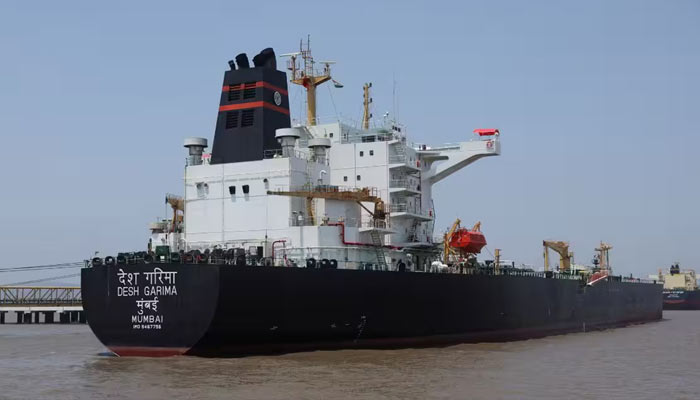
The Centre has revealed the scale of India’s maritime response during the recent Gulf crisis, stating.
That 60 merchant vessels carrying cargo for India safely transited the Strait of Hormuz despite heightened regional tensions.
In a written reply in Parliament, the government said it also repatriated 3,972 Indian seafarers from the Gulf region and operated a 24×7 crisis management system that handled thousands of distress calls and emails to ensure the safety of Indian ships and crew.
The figures provide the first detailed official account of India’s response during the conflict, which had sparked concerns over potential disruptions to global oil supplies and maritime trade.
The Strait of Hormuz, one of the world’s most critical maritime chokepoints, carries nearly 20% of global oil trade. For India, which imports nearly 90% of its crude oil, the route is vital as a significant portion of its energy supplies comes from Gulf nations, including Iraq, Saudi Arabia, the UAE and Kuwait.
Any prolonged disruption in the strategic waterway could have led to higher shipping costs, increased insurance premiums and rising domestic fuel prices. Against this backdrop, the safe passage of all 60 India-bound merchant vessels indicates that the country’s supply chain remained largely unaffected despite escalating tensions.
The government also highlighted efforts to safeguard Indian seafarers working in the region. It said 3,972 Indian crew members were brought back from the Gulf, while authorities remained in regular contact with their families. Welfare counsellors were also made available wherever required.
India is one of the world’s largest providers of merchant navy personnel, with thousands of Indian seafarers serving aboard international commercial vessels. During conflicts, many continue to operate in high-risk waters despite having no direct role in military operations.
To coordinate the response, the government activated a 24-hour Control Room and the Directorate General of Shipping Communication Centre (MMDAC), which functioned round the clock throughout the crisis.
Under the emergency protocol, ships were instructed to establish contact with the nearest Indian Navy or coalition warship on VHF Channel 16 and immediately inform the DG Communication Centre, the Information Fusion Centre–Indian Ocean Region (IFC-IOR) and the United Kingdom Maritime Trade Operations (UKMTO).
According to the government, the emergency system handled 15,771 telephone calls and 36,499 emails from seafarers, their families and other maritime stakeholders, underscoring both the scale of the crisis and the extensive coordination undertaken to ensure the safety of Indian shipping and personnel.
Comments are closed.