
‘The Odyssey’ Takes Greece From Cinema Screens to Ithaca’s Shores, Boosting Tourism

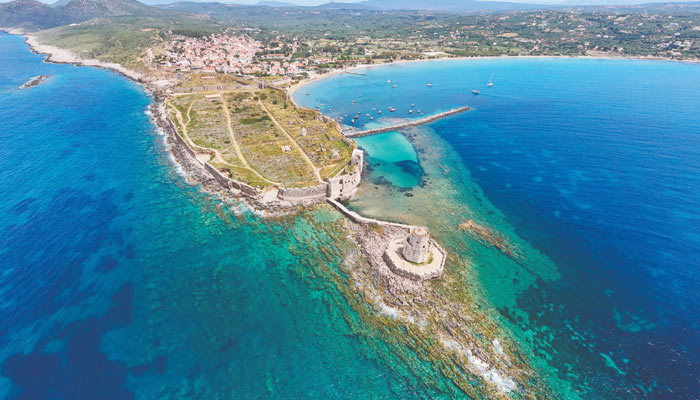
Christopher Nolan’s The Odyssey is creating a tourism ripple effect in Greece, with the film’s popularity encouraging travelers to explore places associated with Homer’s legendary tale.
The trend, being described as the “Odyssey effect”, has brought renewed attention to Greece’s mythology, history and landscapes. Tourism authorities and travel observers are watching as fans of the film increasingly incorporate locations linked to the epic into their holiday plans.
Some travel-related searches have surged since interest in the film grew. Page Six reported a 3,421% increase in Google searches for Troy and a 966% rise in searches for flights to Greece.
Visitors are also showing interest in locations featured in or connected with the story, including Nestor’s Cave and Voidokilia Beach in the Peloponnese.
Cinema Inspires Travel
Films influencing tourism is hardly a new phenomenon. Popular productions have repeatedly turned filming locations into tourist attractions.
Dubrovnik offers a prominent example. The Croatian city attracted large numbers of Game of Thrones fans after serving as the setting for King’s Landing, with visitors seeking out locations featured in the hit series.
Greece could now experience a similar boost from Nolan’s adaptation of Homer’s epic.
The Odyssey stars Matt Damon as Odysseus, the Greek king attempting to return home to Ithaca after the Trojan War. Anne Hathaway plays Penelope, while Tom Holland portrays their son, Telemachus.
The story follows Odysseus’ decade-long journey and his struggle to return to his family and reclaim his kingdom.
Ithaca Draws New Visitors
The island of Ithaca is emerging as one of the destinations receiving fresh attention.
Although it has not traditionally ranked among Greece’s biggest tourist hotspots, its connection with Odysseus gives it a powerful attraction for mythology enthusiasts.
Stefan Antoine, a Riyadh resident planning a trip to Greece, said the film influenced his itinerary. He had originally planned to visit Lefkada but decided to add Ithaca to experience the history associated with Odysseus.
Antoine was already interested in Greek mythology and had previously read Circe, Madeline Miller’s retelling of the Odyssey from Circe’s perspective.
The film has therefore become an additional gateway into the mythology for audiences already familiar with the ancient stories, while introducing others to them for the first time.
Growing Interest Raises Questions
The surge in interest could bring significant economic benefits to Greece, particularly to less-visited destinations. But the expected tourism increase is also raising concerns about environmental pressure.
The Peloponnese, one of the regions associated with the film, contains fragile landscapes and historic sites that could struggle with a sudden increase in visitors. Ithaca faces a similar challenge. A destination that has remained relatively quiet could see its visitor numbers rise sharply as moviegoers seek out the island linked to Odysseus.
The “Odyssey effect” demonstrates once again how powerful popular culture can be in shaping travel trends. For Greece, Nolan’s film could offer a rare opportunity to turn renewed global fascination with ancient mythology into a lasting tourism boom—provided the growth is managed sustainably.
Comments are closed.