
One Nation, One Election: NDA Mulls Simultaneous Polls in 22 States, UTs With 2029 Lok Sabha

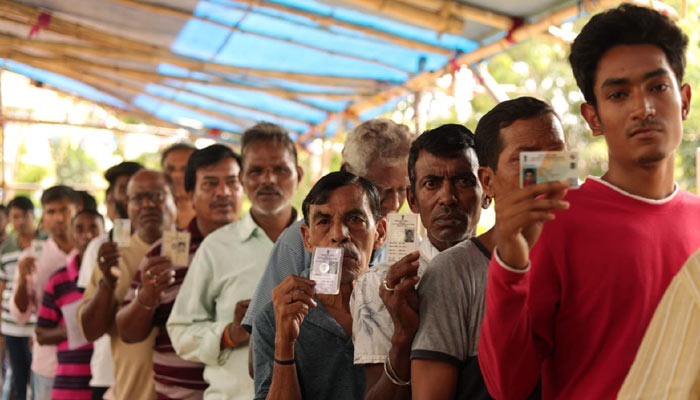
One Nation, One Election: NDA Weighs 2029 Poll Sync Across 22 States, UTs
The NDA is considering an ambitious plan to align Assembly elections in 22 states and Union Territories with the 2029 Lok Sabha elections, potentially bringing forward the first simultaneous poll cycle from the 2034 timeline proposed in the current legislation.
The discussions are taking place as the Joint Committee of Parliament examining the One Nation, One Election Bills continues consultations with Chief Ministers, state governments and other stakeholders.
Sources familiar with the discussions said the NDA could explore dissolving Assemblies in its ruled states before their scheduled terms end, allowing elections to be held alongside the 2029 general election.
Of the 22 NDA-ruled states and UTs being considered, 11 are scheduled to hold Assembly elections in 2027 and 2028. Four — Andhra Pradesh, Arunachal Pradesh, Sikkim and Odisha — already hold Assembly elections alongside Lok Sabha polls.
Assemblies Could Be Dissolved Early
If the NDA retains its governments in the states concerned, the Assemblies could potentially be dissolved by January 2029 on the advice of their respective state governments. Article 174(2)(b) of the Constitution empowers the Governor to dissolve a state Assembly. Elections would then have to be conducted within the prescribed legal framework.
Such a move, however, would mean significantly shortening the tenure of several Assemblies.
Goa, Gujarat, Manipur, Uttar Pradesh and Uttarakhand could see their terms cut by around three years, while Chhattisgarh, Madhya Pradesh, Meghalaya, Nagaland, Rajasthan and Tripura could face reductions of about four years.
Delhi could also be part of the exercise. Chief Minister Rekha Gupta has indicated that the Delhi government would be willing to consider adjusting the Assembly’s tenure if required in the national interest.
Why 2034 Is Currently The Target
The Constitution (129th Amendment) Bill, 2024 and the Union Territories Laws (Amendment) Bill, 2024 currently being examined by the parliamentary committee envisage a gradual transition towards simultaneous elections.
Under the proposed framework, Assemblies elected after the first sitting of the Lok Sabha following a general election would have curtailed terms where necessary to bring subsequent elections into a common cycle. As the Bills currently stand, the earliest full simultaneous election cycle would be in 2034.
The 2029 proposal would therefore require the NDA to take political steps beyond the timeline specifically provided in the Bills.
Joint Committee chairman P P Chaudhary said the decision on whether elections could be aligned earlier would be for NDA Chief Ministers to take, indicating that the matter falls outside the committee’s mandate.
Opposition Likely To Intensify Resistance
The proposal could further deepen the political divide over One Nation, One Election.
Congress general secretary Jairam Ramesh reiterated the party’s opposition, calling the proposal unconstitutional, anti-democratic and damaging to accountability. He said nothing had changed the Congress position while the Joint Committee continues its examination.
Congress and DMK MPs had opposed the introduction of the Bills in Parliament in 2024. Opposition leaders have also raised objections during the committee’s consultations with state governments.
Committee Continues Consultations
The Joint Committee was formed in December 2024 and is expected to submit its report during the Winter Session this year. So far, it has interacted with stakeholders in Maharashtra, Uttarakhand, Haryana, Punjab, Himachal Pradesh, Karnataka, Gujarat, Delhi, Goa and Uttar Pradesh.
If the NDA moves ahead with the 2029 plan, it would significantly accelerate the One Nation, One Election roadmap and could turn the issue into another major political and constitutional flashpoint ahead of the next Lok Sabha elections.
Comments are closed.