
Powerful El Niño Could Push 2027 to Record as World’s Hottest Year Yet

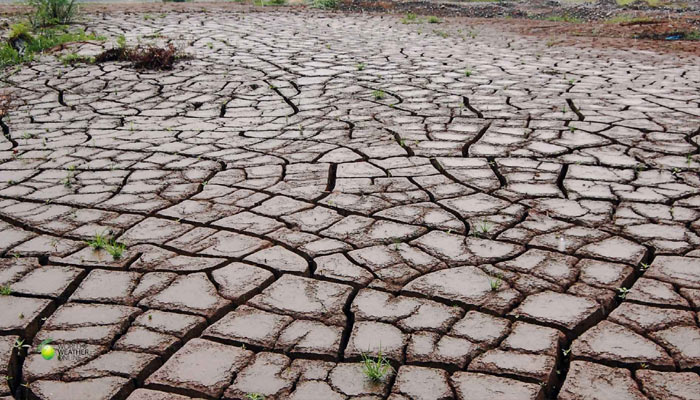
Strong El Niño Could Make 2027 World’s Hottest Year, Met Office Says
A powerful El Niño developing over the Pacific could become the strongest in decades and, combined with rising global temperatures caused by climate change, push 2027 to become the hottest year ever recorded, the UK Met Office has warned.
The weather phenomenon is already affecting conditions in different parts of the world. India’s southwest monsoon has seen below-average rainfall, while El Niño’s influence has contributed to subdued hurricane activity in the Atlantic. The UK and parts of north-western Europe could also face a wetter and stormier autumn.
Prof Adam Scaife, head of long-range forecasting at the Met Office, described the developing event as unprecedented, saying he had never seen such a strong El Niño signal in forecasts.
Pacific Waters Show Exceptional Warming
El Niño occurs when Pacific trade winds weaken or reverse, allowing unusually warm water to move eastwards. The heat released from the ocean into the atmosphere can raise global temperatures and disrupt normal rainfall and wind patterns.
Sea surface temperatures in a key Pacific region are already more than 2°C above average. Forecasts suggest they could climb beyond 3°C as El Niño reaches its peak later this year — a level not recorded since observations began in 1950.
There is also significant heat stored beneath the ocean surface. Water at depths of around 100 metres is reportedly up to 8°C warmer than normal in some areas, potentially giving the event additional strength in the months ahead.
India Faces Monsoon Concerns
El Niño events are often linked to weaker monsoon rainfall across South Asia. India’s 2026 monsoon has already been below average, although El Niño is not the only factor determining the country’s rainfall.
Elsewhere, the weather pattern could increase drought and wildfire risks in parts of northern South America and Australia. Peru, Ecuador and the southern US could instead see a greater risk of heavy rainfall and flooding.
The UK and north-western Europe could experience wetter and stormier weather later in the year as the phenomenon develops.
- Potential Impact On Food Security
- A strong El Niño can have consequences far beyond weather patterns.
Previous events have disrupted crops such as coffee, rice and cocoa, contributing to higher food prices and losses across international supply chains. The UN Food and Agriculture Organisation has warned that the current event could leave tens of millions of people in vulnerable countries exposed to severe food insecurity.
At the same time, El Niño can suppress hurricane activity in the tropical Atlantic by altering atmospheric conditions. Only three named storms have been recorded so far this season. The biggest global concern remains the interaction between an exceptionally strong El Niño and long-term climate change. If current forecasts hold, the combined effect could push global temperatures to unprecedented levels in 2027.
Comments are closed.