
Nepal Flood Aftermath: Mystery Fish Found in Bihar, Experts Warn of Health Risks

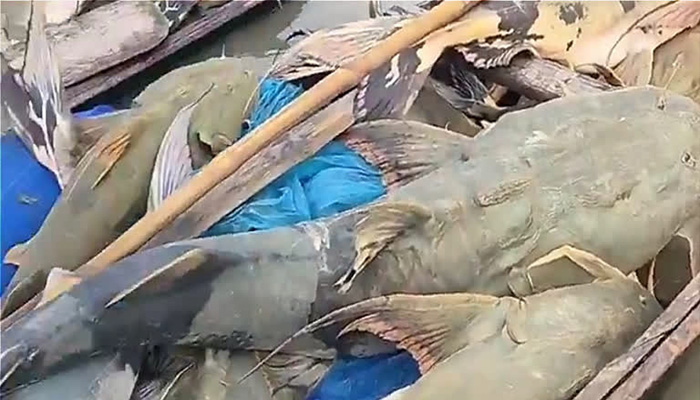
Authorities in Bihar’s Bagaha have issued a warning against consuming unidentified fish found in flood-affected areas after reports that some residents fell ill after eating them.
The fish are believed to have been carried into local water bodies by floodwaters flowing from Nepal. Bagaha SDM Chandni Kumari issued the advisory through the Fisheries Division of Bihar’s Animal and Fisheries Resources Department, urging people to exercise caution while floodwaters continue to spread across parts of the district.
Officials said several unusual-looking and unidentified fish have been spotted in ponds and other water bodies after being swept away from their natural habitats by strong flood currents. Reports of illness among people who consumed some of these fish prompted the administration to issue the public warning.
How Did The Fish Reach Flood-Hit Areas?
During flooding, strong currents can carry fish from rivers, ponds, lakes and other water bodies into areas where they are not normally found.
As floodwaters move through populated areas, the fish can also come into contact with sewage, polluted drains, dead animals and other contaminated material. This raises the possibility of exposure to harmful microorganisms and other contaminants.
For this reason, officials have advised residents not to assume that fish caught from floodwaters are safe to eat.
What Has The Administration Advised?
The fisheries department has asked residents to avoid catching, buying, selling or consuming unidentified or unusual-looking fish found in floodwater.
Officials have recommended waiting until floodwaters recede and water bodies return to normal conditions. Any unfamiliar species should first be identified and assessed by the relevant authorities before being considered safe for consumption.
Symptoms To Watch Out For
People who have already eaten such fish and develop vomiting, diarrhoea, abdominal pain, dizziness, breathing problems or any other unusual symptoms have been advised to seek medical help immediately.
Residents have been cautioned against ignoring symptoms or delaying treatment if their condition worsens.
Where Should Unusual Fish Be Reported?
Residents who find unfamiliar fish in flood-affected ponds, rivers or other water bodies should inform the district fisheries officer or local administration.
Authorities have also appealed to people to avoid spreading or believing rumours about the fish and to prioritise safety until their identity and suitability for consumption are officially established.
With rivers in the region still carrying high volumes of water, officials expect floodwaters to continue altering local water bodies and moving aquatic species into unfamiliar areas. Their advice remains straightforward: if a fish cannot be identified or its safety confirmed, do not eat it.
Comments are closed.