
CBI Registers Case Against Subhash Chandra for Allegedly Inflating Net Worth to Obtain Loans

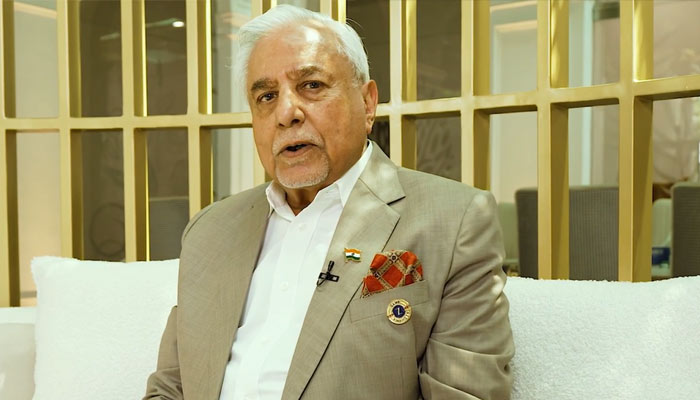
The Central Bureau of Investigation (CBI) has registered a case against Essel Group chairman Subhash Chandra and several others for allegedly submitting inflated net worth certificates to obtain loans from LIC Housing Finance Ltd (LICHFL).
The loans later defaulted, allegedly resulting in losses of more than Rs 1,322 crore for the lender. The case was registered days after the National Company Law Tribunal (NCLT) stayed the implementation of Chandra’s Rs 6.25 crore repayment plan in a separate personal insolvency matter.
At the centre of the CBI investigation are two credit facilities worth a total of Rs 980 crore, sanctioned in 2018. According to LICHFL’s complaint, the loans were approved on the basis of net worth certificates and personal guarantees provided by Chandra.
A certificate issued by DIM & Co on March 28, 2018, reportedly put Chandra’s net worth at Rs 59,113 crore. However, during later insolvency proceedings, Chandra stated that his net worth in 2024 was Rs 31.79 crore.
HOW THE LOANS WERE SANCTIONED
One of the facilities, worth Rs 500 crore, was sanctioned to Vasant Sagar Properties Pvt Ltd, with Pan India Infra Projects Pvt Ltd as the co-borrower. The facility was intended for loan takeover, a top-up and business expansion.
Chandra provided a continuing guarantee for the facility on March 28, 2018. The complaint alleges that the net worth certificate showing his wealth at Rs 59,113 crore was used to support the loan application.
LICHFL has alleged that both facilities were sanctioned and disbursed after relying on the financial information contained in the certificates and the personal guarantees furnished by Chandra.
Rs 22,006-CRORE PERSONAL GUARANTEE CLAIMS
The CBI case is separate from insolvency proceedings involving claims of around Rs 22,006 crore against Chandra. The claims relate to personal guarantees he had issued for loans obtained by several companies linked to the Essel Group.
Chandra has argued that the Rs 22,006 crore figure should not be treated as money personally borrowed by him.
During the insolvency proceedings, a two-member NCLT bench gave differing opinions on Chandra’s repayment proposal. The matter was then referred to a third member, who approved the plan.
Union Bank of India, Canara Bank and LICHFL were among the creditors who challenged the approval before the NCLAT.
A five-member special bench of the NCLT subsequently put the repayment plan on hold, stating that there was no majority decision that could be implemented. The tribunal also barred Chandra from selling or transferring his properties, either directly or indirectly.
Chandra’s counsel has challenged the constitution of the special NCLT bench. The NCLAT has deferred the matter until October 7.
The CBI investigation will now examine the alleged discrepancies in Chandra’s financial disclosures and whether the purportedly inflated net worth certificates were instrumental in securing the loans from LICHFL.
Comments are closed.