
Bank Strike From Sept 28-30: What Happens to UPI, ATM, Cheque and Cash Services?

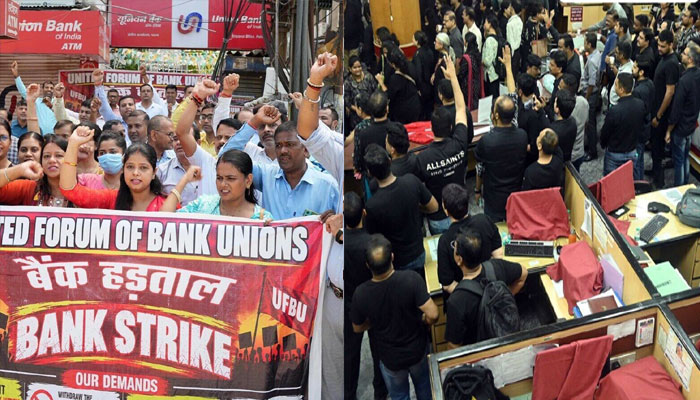
With a three-day nationwide bank strike scheduled from September 28 to 30, customers with urgent branch-related work have an additional window on Sunday, September 27.
Public sector banks and regional rural banks will remain open that day to help minimise disruption during the strike. The strike is expected to have its biggest impact on services that require physical branch visits or manual processing. Digital banking channels, including UPI, mobile banking and internet banking, are expected to continue functioning.
The timing of the strike is particularly significant as September 30 marks the half-yearly financial closing for banks. Public sector banks and regional rural banks are expected to face the most disruption, while private-sector banks may be less affected.
What services could be hit?
Customers may face delays or temporary unavailability in several branch-dependent services during the strike:
- Cash transactions: Over-the-counter cash deposits and withdrawals may be unavailable at affected branches.
- Cheque processing: Cheques and other instruments requiring physical processing could face delays.
- Demand drafts: Fresh demand drafts may not be issued at branches affected by the strike.
- Passbook updates: Physical passbook printing and other counter services could remain unavailable.
- KYC and account updates: In-person KYC, account modifications and document verification may be postponed.
- Loan-related work: Applications, paperwork and verification requiring bank staff could be delayed.
- Locker access: Customers may not be able to access physical bank lockers while branches remain closed.
Work associated with the September 30 half-yearly financial closing could also be affected by the disruption.
What is expected to continue?
Several digital and self-service facilities are expected to remain operational throughout the strike:
UPI: Routine UPI payments and transfers are expected to continue.
Mobile banking: Customers can continue using banking apps for transfers and payments.
Internet banking: Online fund transfers, bill payments and other digital services are expected to remain available.
ATMs: ATMs are expected to operate, although cash availability may depend on local replenishment.
Cash deposit machines: CDMs may continue accepting deposits where the facility is available.
Private banks are expected to see relatively less disruption, but customers should check their bank’s own advisory before visiting a branch.
Why are banks opening on Sunday?
The government has arranged for public sector banks and regional rural banks to remain operational on September 27, a day before the strike begins.
The Finance Ministry said these banks would function normally on Sunday. With approval from the Reserve Bank of India, bank branches, offices, ATM-linked branches and currency chests will also remain operational.
The Sunday opening is intended to allow customers to complete urgent branch-dependent work ahead of the three-day strike.
For customers who need cash transactions, paperwork, KYC, document verification or other in-person banking services, Sunday could be the final opportunity to complete them before normal branch operations are disrupted, depending on individual branch arrangements.
Comments are closed.