
Zika Virus Raises Male Sexual Health Concerns in India: What You Need to Know

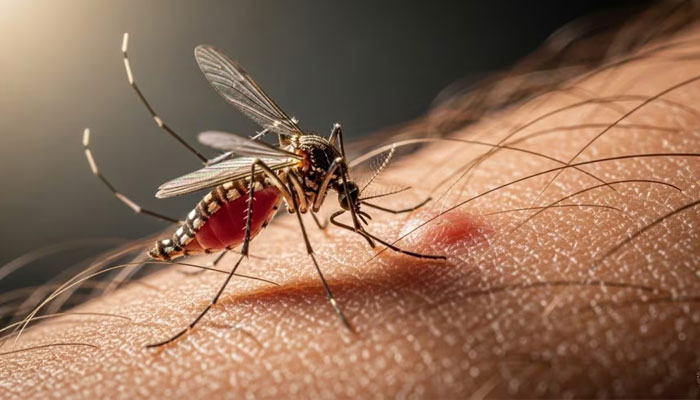
Zika is often thought of as another mosquito-borne infection, much like dengue or chikungunya.
But the virus has one important difference that makes it particularly relevant to men and couples planning a pregnancy: Zika can also be transmitted through sex.
The virus, mainly spread by infected Aedes mosquitoes, can remain detectable in semen after an infection. That means sexual transmission can remain a concern even after the initial fever, rash or other symptoms have disappeared.
Most people infected with Zika either have no symptoms or experience a mild illness. However, its potential consequences during pregnancy have made the virus an important reproductive-health concern.
Zika vs Dengue: What Is the Key Difference?
Dengue and Zika are both primarily spread by infected Aedes mosquitoes and can cause symptoms such as fever, headache, joint or muscle pain and general weakness.
But Zika has an additional route of transmission.
According to the World Health Organization (WHO), Zika can spread through sexual contact and can also pass from a pregnant woman to her fetus. The virus has been detected in semen and other body fluids.
This means mosquito-bite prevention alone is not enough to address every potential route of Zika transmission.
Can Someone Spread Zika Without Knowing They Have It?
Many Zika infections do not cause noticeable symptoms. A person may therefore be infected without experiencing the fever or rash commonly associated with the illness.
Sexual transmission has been documented from people who were asymptomatic. As a result, feeling healthy does not necessarily mean that someone cannot have been infected or transmit the virus.
Recent travel to an area with Zika transmission, mosquito exposure and other risk factors can help doctors determine whether testing or precautions are appropriate.
Does Zika Affect Male Fertility?
The presence of Zika in semen has prompted researchers to investigate its effects on the male reproductive system.
However, detecting the virus in semen does not mean that Zika automatically causes infertility. Evidence about possible long-term effects on male reproductive health remains under study.
For men, the better-established concern is sexual transmission. This becomes particularly important if their partner is pregnant or if the couple is trying to conceive.
Therefore, a Zika infection should not automatically be viewed as a threat to permanent fertility, but it does warrant attention to sexual-health precautions.
Why Pregnancy Makes Zika More Concerning
The major reproductive-health concern with Zika arises when infection occurs during pregnancy.
Zika can cross the placenta and infect the developing fetus. Infection during pregnancy has been associated with congenital Zika syndrome, which can include microcephaly and neurological and developmental abnormalities.
It has also been associated with complications such as fetal loss and preterm birth.
Because of these potential outcomes, preventing Zika infection during pregnancy — including infection acquired through sexual contact — is particularly important.
Can Condoms Help Prevent Sexual Transmission?
Condom use can reduce the risk of sexually transmitted Zika.
The virus can potentially be transmitted through vaginal and anal sex and may also be transmitted through oral sex. Health authorities may recommend condoms or abstinence for a period following infection or possible exposure.
The appropriate duration of precautions depends on the individual’s circumstances, including whether Zika was confirmed, whether symptoms occurred, travel history and whether pregnancy is being planned.
Couples who are trying to conceive should seek individual medical advice rather than relying solely on the disappearance of symptoms.
What Symptoms Should You Watch For?
Most people with Zika have no symptoms. When symptoms occur, they are generally mild and may include:
- Fever
- Rash
- Red or irritated eyes
- Joint pain
- Muscle pain
- Headache
- Weakness or general discomfort
Symptoms generally last for several days to about a week.
The symptoms can overlap with dengue and other mosquito-borne illnesses, making it difficult to identify Zika based on symptoms alone. Where appropriate, doctors may use laboratory tests such as RT-PCR or antibody testing. Interpretation of some antibody tests can be complicated because of cross-reactions with related viruses.
What Should Men Do After Possible Exposure?
Anyone who develops symptoms after possible Zika exposure, or who has travelled to an area where the virus is circulating, should speak with a healthcare professional.
Men with confirmed or suspected Zika should not assume that the risk of sexual transmission disappears as soon as they recover from the illness.
Public-health guidance recommends sexual precautions following relevant infection or exposure, with the recommended duration depending on the circumstances. Men planning a pregnancy with their partner should discuss the timing of conception and appropriate precautions with a doctor.
The Zika Risk Goes Beyond the Mosquito Bite
Zika and dengue may be transmitted by the same mosquito group, but they do not carry exactly the same risks.
For most people, Zika causes either no symptoms or a relatively mild illness. Its significance lies partly in what can happen beyond the initial infection — particularly its ability to be sexually transmitted and its potential consequences when infection occurs during pregnancy.
The key message for men is not that Zika necessarily causes permanent infertility. Rather, men who have been infected or potentially exposed should understand the possibility of sexual transmission and take appropriate precautions, especially when planning a pregnancy.
For couples, knowing this difference between Zika and dengue can be just as important as protecting themselves from mosquito bites.
Comments are closed.