
Humanity Could Face Extinction by 2100 Due to AI, Nuclear War, Bioweapons: Study

AI Misuse, Nuclear War and Bioweapons Could Put Humanity at Risk by 2100: Lancet Report
The misuse of artificial intelligence (AI), nuclear warfare and biological weapons could pose existential threats to humanity over the coming decades, a new report published in The Lancet has cautioned. Although the likelihood of human extinction by 2100 remains low, experts have warned that the consequences of these threats could be devastating if they are not addressed in time.
The report, titled Lancet Commission on 21st Century Global Threats to Health, identifies 17 major risks that could affect global health and human well-being over the next 75 years. These include nuclear conflict, malicious applications of AI, climate change, air pollution, antimicrobial resistance, childhood malnutrition, obesity and reductions in international aid.
The commission, which brings together 35 experts, emphasised that these challenges are interconnected and require coordinated action from governments and international institutions. The findings are scheduled to be presented at the World Health Summit in Berlin, Germany.
“Malicious use of AI, including bioweapons, and nuclear conflict with nuclear famine carry risks of extinction in the next 75 years,” the report stated.
AI Could Increase the Risk of Biological Warfare
The report raises concerns about the potential misuse of advanced AI technologies to facilitate the development of biological weapons. Such weapons could cause widespread casualties and, in an extreme scenario, threaten humanity’s survival.
Researchers stressed the importance of establishing effective safeguards as AI capabilities continue to advance. They warned that governments must anticipate emerging risks rather than wait for a crisis to occur.
Professor Christopher Murray, co-chair of the commission and director of the Institute for Health Metrics and Evaluation at the University of Washington, highlighted the importance of decisions made by policymakers today.
“Decisions made by leaders today will shape the health and wellbeing of the next generation,” Murray said.
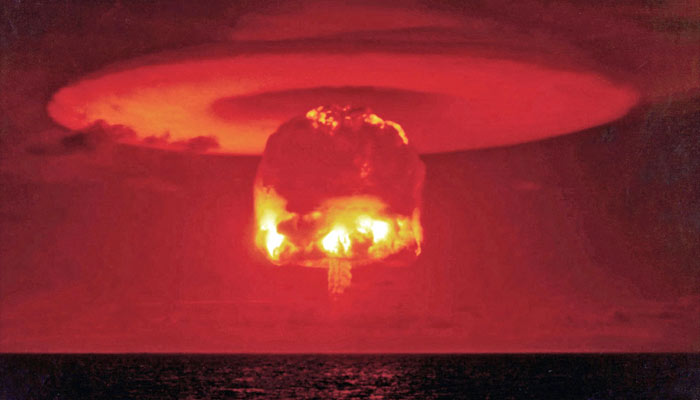
Nuclear warfare represents another major concern. A large-scale nuclear conflict could inject enormous amounts of soot and particles into the upper atmosphere, reducing sunlight and disrupting agricultural production worldwide.
The resulting decline in food supplies could trigger widespread famine, potentially affecting billions of people and creating a severe threat to global survival.
An editorial published alongside the report in The Lancet also warned of the enormous damage these threats could cause if they materialise.
Seventeen Threats That Could Damage Global Health
In addition to nuclear war and the malicious use of AI, the commission identified 15 other major threats to human health:
- Climate change and air pollution
- Antimicrobial resistance
- Childhood malnutrition and obesity
- Conventional warfare and natural pandemics
- Cuts in international aid
- Excessive alcohol consumption and smoking
- High blood pressure
- Income inequality and inadequate education
- Poor mental health and unhealthy ageing
To evaluate the potential impact of these risks, researchers estimated the number of healthy life years that could be lost because of illness, disability and premature death. They used disability-adjusted life years (DALYs), a measure of the overall burden of disease.
Threats associated with the loss of more than one billion healthy life years were classified as major catastrophic risks.
Climate Change and Aid Cuts Could Have Far-Reaching Consequences
Climate change was identified as a significant threat to human health in the coming decades. According to the assessment, limiting global warming to approximately 1.8 degrees Celsius, instead of allowing temperatures to rise to 4.4 degrees Celsius, could prevent the loss of 1.89 billion healthy life years by 2100.
The findings highlight the potential health benefits of limiting temperature increases and reducing the impact of climate-related disasters.
The report also warns that a substantial reduction or collapse in international health assistance could result in the loss of up to 1.5 billion healthy life years by the end of the century.
Sub-Saharan Africa could bear a disproportionate share of this burden, accounting for nearly 70 per cent of the projected losses. The region already faces significant challenges related to childhood malnutrition and access to healthcare.
Major Health Risks Vary Across Regions
The commission found that the leading health threats differ between higher-income and lower-income regions.
In wealthier countries, obesity and poor mental health feature prominently among the concerns. In lower-income regions, inadequate education and childhood malnutrition can contribute to long-term health problems and reduced life expectancy.
The findings suggest that global strategies must account for differences in economic conditions, healthcare infrastructure and social inequalities.
Murray explained that the commission initially focused on three broad categories of threats: conflict, climate change and pandemics. However, the research identified a much wider range of risks that require governments to invest in prevention and preparedness.
He stressed the need for governments to allocate sufficient funding and personnel to anticipate, prevent and manage emerging threats.
Commission to Update Findings Annually
The commission plans to revise its assessment every year to monitor existing threats and identify new risks that could affect global health.
Experts say governments and international organisations need to strengthen early-warning systems, improve crisis preparedness and coordinate their responses to challenges that cross national borders.
The report does not predict that humanity will become extinct by 2100. Instead, it highlights the potentially catastrophic consequences of failing to manage major global risks.
Its findings underscore the importance of timely policy decisions, international cooperation and sustained investment in public health and preventive measures to safeguard future generations.
Comments are closed.