
UN Sounds Alarm: World Still Heading for 2.6°C Warming Despite Climate Pledges

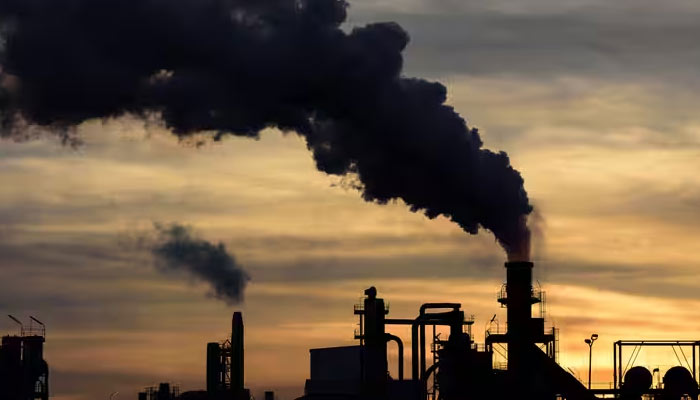
Global Warming Could Reach 2.6°C by Century’s End Despite Climate Pledges, UNEP Warns
Global temperatures could rise by 2.6°C above pre-industrial levels by 2100, even if countries fulfil their existing climate commitments, according to a new report by the United Nations Environment Programme (UNEP). The organisation’s latest Emissions Gap Report, released on Wednesday, warns that current efforts to combat climate change remain far below what is required to meet internationally agreed temperature targets.
The report projects that warming could reach 2.8°C by the end of the century if countries continue with their existing policies. The estimates highlight the widening gap between governments’ climate promises and the concrete measures needed to reduce greenhouse gas emissions.
The warning comes just weeks before the COP31 climate conference in Antalya, Turkey, scheduled for November 9–20. Governments are expected to face growing calls at the summit to strengthen their emissions-cutting plans and accelerate the implementation of climate policies.
Global Climate Targets Increasingly Difficult to Achieve
The 2015 Paris Agreement aims to keep the rise in global temperatures well below 2°C compared with pre-industrial levels, while pursuing efforts to limit warming to 1.5°C.
However, UNEP’s latest findings suggest that existing national commitments are not sufficient to achieve these goals. The report indicates that the world is now likely to exceed the 1.5°C threshold temporarily, making substantial and immediate emissions reductions essential to limit the extent of the overshoot.
United Nations Secretary-General António Guterres has warned that the consequences of global warming are already affecting communities worldwide. Severe floods, prolonged heatwaves, wildfires, fatalities and economic losses are among the growing impacts associated with climate change.
He also highlighted the unequal distribution of these risks, noting that vulnerable communities and countries with relatively low historical emissions frequently experience some of the most damaging consequences.
Emissions Remain Close to Record Highs
Global greenhouse gas emissions in 2025 remained broadly in line with the record levels reported in 2024, according to UNEP. Emissions from the use of coal, oil and natural gas, which are major contributors to human-induced climate change, increased slightly during the year.
The report estimates that existing policies could lead to a 2.8°C temperature rise by 2100. Even if countries fully implement their latest climate pledges, warming is projected to reach approximately 2.6°C.
These projections demonstrate the need for governments to move beyond announcing long-term ambitions and adopt measures that produce immediate and sustained emissions reductions.
US Emissions Climb While India and EU See Reductions
Preliminary figures for 2025 indicate that emissions rose in the United States, China and Indonesia, while India, Russia and the European Union recorded declines among the six largest global emitters.
The United States saw emissions increase by approximately 133 million tonnes of carbon dioxide equivalent, marking the largest rise among the countries covered by the assessment. Higher electricity consumption and a recovery in coal-fired power generation contributed to the increase.
Anne Olhoff, co-author of the UNEP report, said the latest projections for global warming were less favourable than those published in the previous year’s assessment. The United States’ formal withdrawal from the Paris Agreement and revised estimates of historical emissions were among the factors influencing the updated projections.
The G20 economies collectively account for around 75% of global greenhouse gas emissions. Their willingness to implement stronger climate policies will therefore be crucial to reducing the global emissions gap.
UNEP Executive Director Inger Andersen emphasised that climate change poses risks to every country, with its effects increasingly being felt across the globe.
Major Emissions Cuts Needed to Bring Temperatures Down
Despite the concerning outlook, UNEP has identified a possible route to limiting global warming and eventually returning temperatures to 1.5°C by the end of the century.
Under the report’s lowest-overshoot scenario, global temperatures would peak at around 1.7°C to 1.8°C above pre-industrial levels near the middle of the century. Temperatures could subsequently decline towards 1.5°C by 2100, with an estimated 50% chance of returning to that level.
Reaching this outcome would require deep emissions cuts without delay, as well as large-scale carbon dioxide removal and permanent storage to reduce the amount of greenhouse gases in the atmosphere.
UNEP estimates that global greenhouse gas emissions must decline by 18% from 2025 levels by 2030 and 45% by 2035 to support this pathway. Current national climate plans remain significantly below these benchmarks.
Experts are urging governments to reduce dependence on fossil fuels, expand renewable and other clean electricity sources, improve energy efficiency and protect forests and other ecosystems that naturally absorb carbon dioxide.
COP31 to Put Governments Under Pressure to Act
UNEP’s findings are expected to add urgency to discussions at COP31, where countries will be pressed to align their climate policies with the scale of reductions identified by scientists.
Climate-vulnerable developing nations have repeatedly called on major emitters to take greater responsibility for reducing emissions and providing financial and technological assistance. The gap between promised action and actual progress is likely to feature prominently during the negotiations.
While temporarily exceeding the 1.5°C threshold appears increasingly difficult to avoid, UNEP stresses that stronger action can still limit the severity of climate change and its consequences.
The report’s key message is that every fraction of a degree makes a difference. Faster and deeper emissions reductions could reduce the risks of extreme weather, limit damage to communities and ecosystems, and improve the prospects of lowering global temperatures later this century.
Comments are closed.