
Gold Drops to ₹1.43 Lakh, Silver Falls Below ₹2 Lakh: What’s Driving the Sharp Decline in Prices?

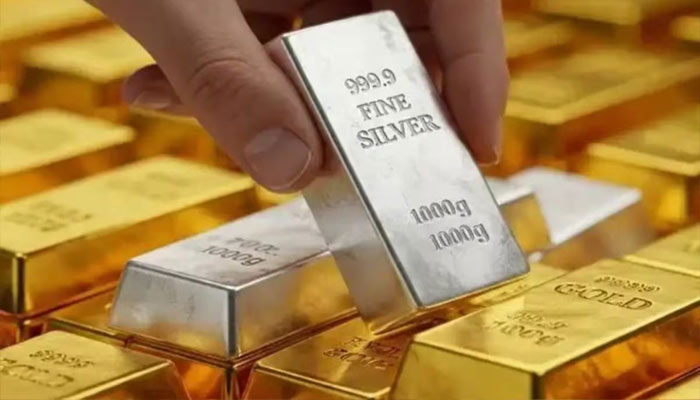
Gold Nears ₹1.42 Lakh, Silver Crashes Below ₹2 Lakh on MCX: 3 Key Factors Behind the Fall
Gold and silver prices extended their losses on Friday, October 23, as soaring crude oil prices, renewed inflation worries and expectations of higher US interest rates dampened investor sentiment. Silver futures on the Multi Commodity Exchange (MCX) slipped below ₹2 lakh per kilogram to an 11-month low, while gold futures declined towards ₹1.42 lakh per 10 grams.
During the morning session, MCX silver futures for December 4, 2026, delivery traded at ₹1,96,122 per kg, down 1.74%. Gold futures for the same contract were quoted at ₹1,42,450 per 10 grams.
Commodity market expert Anuj Gupta said silver had broken below important technical support levels, extending its decline to prices last seen before the US-Iran war. He noted that the metal remained vulnerable to further weakness.
The pressure on precious metals comes as investors reassess the outlook for US interest rates amid rising energy costs and escalating geopolitical uncertainty in West Asia. Although gold is traditionally considered a safe-haven investment, expectations of interest rates remaining high for longer can reduce demand for assets that do not offer interest income.
WHY ARE GOLD AND SILVER PRICES DECLINING?
1. Crude Oil Surges Above $113 Per Barrel
The rise in crude oil prices has become a significant concern for bullion investors. Oil has moved above $113 per barrel amid fresh Houthi attacks in Saudi Arabia, raising fears of potential disruptions to energy supplies.
Expensive crude oil can push up transportation and production costs, increasing inflationary pressures across the global economy. This could make it more difficult for the US Federal Reserve to bring inflation back to its 2% target.
If inflation remains persistent, the central bank may delay interest rate cuts or keep borrowing costs elevated for longer. Higher interest rates generally weigh on gold and silver because investors can earn returns from interest-bearing alternatives.
2. Fed Policy Expectations Put Pressure on Precious Metals
Market participants are awaiting the Federal Reserve’s October 27-28 meeting for signals about the future direction of US monetary policy.
Expectations of fewer rate cuts or tighter policy can strengthen the US dollar and push bond yields higher, making bullion less attractive to investors.
Renisha Chainani, chief research officer at Augmont, said rising crude oil prices had revived inflation concerns and reinforced expectations that US interest rates could remain elevated for an extended period, contributing to the decline in gold and silver.
Investors are also tracking US Personal Consumption Expenditures (PCE) inflation data, an important measure used by the Federal Reserve to evaluate inflation trends.
Chainani referred to CME FedWatch Tool data showing a 16% market-implied probability of a rate hike at the October 27-28 meeting and a 90% probability of an increase in December. These figures reflect traders’ expectations at the time of reporting and do not represent confirmed Federal Reserve decisions.
3. West Asia Conflict Adds to Market Volatility
Fresh tensions in West Asia have heightened uncertainty in global financial markets and contributed to the rise in energy prices.
Geopolitical crises often support gold by encouraging investors to seek relatively safe assets. However, higher oil prices resulting from such tensions can also fuel inflation and strengthen expectations of higher interest rates.
This creates conflicting influences on bullion prices. In the current market environment, concerns about inflation and the interest rate outlook are outweighing the potential safe-haven demand for gold.
GOLD PRICE OUTLOOK: WHAT ARE EXPERTS SAYING?
Jateen Trivedi, vice-president and research analyst for commodities and currencies at LKP Securities, said gold remained under pressure, declining by another ₹1,200 to ₹1,44,850 as international COMEX gold prices approached $4,088.
According to Trivedi, concerns surrounding the West Asia conflict and expectations of higher US interest rates were weakening demand for non-yielding assets.
He said the Federal Reserve’s upcoming policy announcement would be closely watched, particularly for its assessment of inflation and guidance on future interest rate decisions. Any change in the central bank’s outlook could influence the US dollar and the direction of gold prices.
The gold price cited by Trivedi differs from the morning MCX December futures quotation of ₹1,42,450 per 10 grams. The figures represent separate reported market observations and should not be treated as identical quotations.
GOLD AND SILVER OUTLOOK: SHOULD TRADERS EXPECT MORE LOSSES?
Anuj Gupta told CNBC Awaaz that precious metals could remain weak in the near term, with further downside possible.
For silver, he suggested that traders consider a potential selling opportunity if prices rebound towards ₹2,01,000 per kg. His stated trading levels included a stop-loss at ₹2,03,500 per kg and a target of ₹1,97,000 per kg.
These levels reflect the expert’s short-term trading view and do not guarantee future price movements. Commodity futures can be highly volatile, and leveraged positions may result in substantial losses.
Investors should monitor crude oil prices, US inflation figures, dollar movements, Treasury yields and the Federal Reserve’s policy guidance. Developments in West Asia will also remain important in determining the direction of precious metals.
With gold and silver under pressure, market participants may see continued volatility in the coming sessions. Investors should consider their financial goals, risk appetite and investment horizon before making trading or investment decisions.
Comments are closed.