
Beyond Spinach and Mustard Greens: 5 Nutritious Winter Saag Varieties to Try

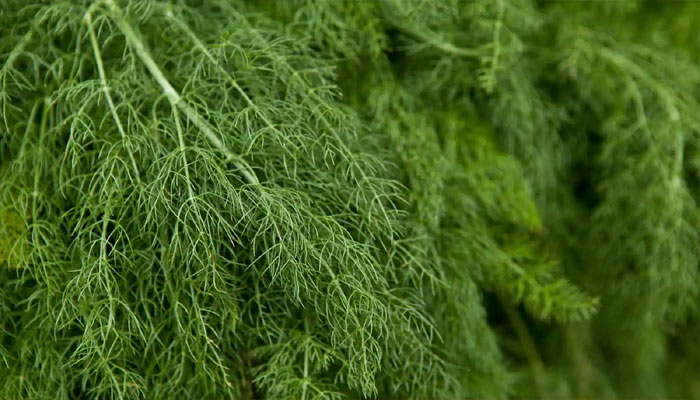
Beyond Spinach and Mustard Greens: Why Dill Leaves Deserve a Place in Your Winter Diet
Winter is the perfect time to enjoy fresh, leafy greens, with spinach, fenugreek and mustard leaves often taking centre stage in Indian kitchens. However, dill leaves, popularly known as soya saag, are another nutritious option that deserves attention. With their distinctive aroma and flavour, these greens can add variety to winter meals while providing essential nutrients, including vitamin C, potassium, dietary fibre and calcium.
1. Supports Healthy Digestion
Dill leaves contain dietary fibre, which helps support digestive health and regular bowel movements. Adding soya saag to everyday dishes such as dal, vegetable curries and soups can help increase fibre intake. Pairing fibre-rich foods with adequate water and a balanced diet can further support healthy digestion.
2. Helps Support Immune Function
Dill leaves provide vitamin C, an essential nutrient that supports the normal functioning of the immune system. Vitamin C also acts as an antioxidant, helping protect cells from oxidative damage. Including a variety of fruits, vegetables, protein-rich foods and leafy greens in your daily diet can help maintain overall health during winter.
3. Contributes to Healthy Blood Pressure
Soya saag contains potassium, a mineral that plays an important role in maintaining fluid balance, supporting muscle function and regulating blood pressure. Including potassium-rich vegetables as part of a balanced diet can contribute to cardiovascular health. However, people who have been advised to restrict potassium intake should follow their healthcare professional’s recommendations.
4. Provides Nutrients for Bone Health
Dill leaves offer some calcium, which is essential for maintaining strong bones and teeth. However, they should not be considered the sole source of this mineral. Milk, yoghurt, calcium-fortified foods, sesame seeds and other calcium-rich options can help meet daily nutritional requirements.
5. A Flavourful Addition to Weight-Conscious Meals
For those looking to manage their weight during winter, dill leaves can be a useful addition to everyday meals. Their relatively low calorie content makes them suitable for a variety of balanced recipes. Try adding them to vegetable soups, lightly sautéed dishes, lentils or whole-wheat parathas prepared with limited oil.
The overall nutritional value of a meal will depend on the ingredients and cooking method, so combining soya saag with adequate protein, whole grains and other vegetables can help create satisfying, balanced meals.
6. Supports Healthy Skin
Vitamin C plays a key role in collagen production, which helps maintain the structure and strength of the skin. Including vitamin C-containing foods such as dill leaves in a varied diet can contribute to normal skin health. Adequate hydration, sufficient sleep and a balanced nutritional intake also support overall skin wellness.
How to Include Soya Saag in Your Winter Diet
Dill leaves are versatile and can be incorporated into several familiar Indian dishes. Add chopped leaves to dal, mix them into seasonal vegetable preparations, prepare a lightly sautéed side dish or use them as a flavourful ingredient in parathas and soups. Wash the leaves thoroughly before cooking and avoid excessive oil to keep meals balanced.
A note of caution: People with kidney disease or those following a medically prescribed low-potassium diet should consult their doctor or dietitian before significantly increasing their intake of potassium-containing foods.
Soya saag may not be as popular as spinach or mustard greens, but its distinctive flavour and nutritional benefits make it a worthwhile addition to winter cooking. Including a variety of seasonal greens in your diet is a simple way to add diversity, flavour and valuable nutrients to everyday meals.
Comments are closed.