
Climate Crisis Threatens Ocean’s Carbon Absorption Capacity, UN Report Warns

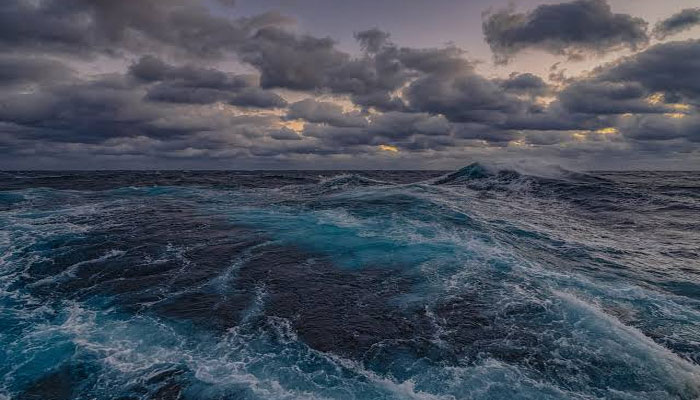
UN Warns Ocean’s Ability to Absorb Carbon Is Declining, Raising Concerns Over Global Warming
The world’s oceans, which serve as one of the largest natural barriers against climate change, are gradually losing their ability to absorb carbon dioxide as global temperatures continue to rise, according to a new United Nations report.
Covering more than 70 per cent of the Earth’s surface, oceans play a critical role in regulating the global climate by absorbing carbon dioxide from the atmosphere and storing it in marine ecosystems and deep ocean waters. However, rising temperatures, changing circulation patterns and increasing acidification are putting this natural carbon storage system under growing pressure.
The warning has raised concerns among climate experts about the potential consequences for global warming, marine biodiversity and the ability of countries to meet their climate targets.
The UN has called for stronger greenhouse gas emission reductions, improved ocean monitoring and greater investment in protecting marine ecosystems.
OCEANS ARE A VITAL NATURAL CARBON SINK
The oceans absorb a significant proportion of carbon dioxide released through human activities. According to the UN assessment, they take up approximately 30 per cent of human-caused carbon dioxide emissions while absorbing around 90 per cent of the excess heat trapped by greenhouse gases.
Carbon enters the ocean through physical and biological processes. Colder seawater can absorb larger quantities of carbon dioxide, while phytoplankton and other marine organisms capture carbon through photosynthesis.
Some of this carbon eventually moves into deeper ocean layers, where it can remain stored for extended periods. This process helps prevent even greater concentrations of greenhouse gases from accumulating in the atmosphere.
However, scientists warn that climate change is disrupting several of the natural mechanisms responsible for this process.
UN REPORT WARNS OF 6% DECLINE IN CARBON ABSORPTION CAPACITY
A 2026 United Nations assessment has warned that climate change has reduced the ocean’s carbon absorption capacity by approximately 6 per cent.
The report, prepared through collaboration between the United Nations Environment Programme (UNEP) and the UN Framework Convention on Climate Change (UNFCCC), examines the growing pressures on marine carbon systems.
Its findings come ahead of the COP31 climate conference scheduled for November.
Sara Traerup, the report’s lead author, highlighted the increasing pressure on the ocean’s ability to provide essential climate-regulating services.
Rising temperatures, changes in ocean chemistry, shifting circulation patterns and damage to marine ecosystems are affecting the ocean’s ability to absorb and store carbon.
Researchers warn that continued deterioration could leave more carbon dioxide in the atmosphere, further intensifying global warming.
WHY WARMING OCEANS ARE LOSING THEIR CARBON ABSORPTION CAPACITY
One of the major factors behind the decline is the steady increase in ocean temperatures.
Colder water generally absorbs more carbon dioxide than warmer water. As seawater heats up, its capacity to take in additional carbon dioxide decreases.
Climate change is also affecting ocean circulation, which transports carbon from surface waters into deeper layers. Changes in these circulation systems can interfere with the long-term storage of carbon.
Ocean acidification presents another serious challenge. As seawater absorbs carbon dioxide, chemical reactions increase its acidity. This affects marine organisms such as corals and shellfish, which depend on calcium carbonate to build their shells and skeletal structures.
Together, rising temperatures, acidification and ecosystem degradation are weakening the natural processes that help oceans regulate the Earth’s climate.
MANGROVES AND SEAGRASS ECOSYSTEMS UNDER PRESSURE
The UN assessment also highlights the importance of blue carbon ecosystems, including mangrove forests, seagrass meadows and salt marshes.
These habitats capture and store substantial amounts of carbon while supporting marine biodiversity and protecting coastlines. According to the report, blue carbon ecosystems collectively capture approximately 407 million tonnes of carbon dioxide every year.
Beyond carbon storage, these ecosystems provide several important benefits:
Protect coastal communities against storms, flooding and erosion.
Provide breeding and feeding grounds for fish and other marine species.
Support fisheries and the livelihoods of coastal populations.
Store carbon in vegetation and underwater sediments.
However, coastal development, pollution, rising sea levels and increasing temperatures are threatening these valuable natural habitats.
UN RECOMMENDS STRONGER OCEAN MONITORING AND NEW TECHNOLOGIES
The UN report identifies improved scientific monitoring, ecosystem restoration and marine carbon removal research as key priorities.
1. Strengthening ocean monitoring
Scientists need more reliable information about ocean temperatures, acidity, carbon absorption and circulation patterns. The report identifies significant monitoring gaps in regions including the Southern Ocean, Indian Ocean, Arctic and several coastal areas.
2. Restoring blue carbon ecosystems
Protecting and restoring mangroves, seagrass meadows and salt marshes could improve natural carbon storage while safeguarding biodiversity and coastal communities.
3. Exploring marine carbon removal technologies
Researchers are investigating technologies that could remove carbon dioxide from oceans or the atmosphere and store it for extended periods. However, these approaches require further research, environmental safeguards and appropriate regulatory frameworks.
DEVELOPING COUNTRIES NEED FINANCIAL AND TECHNOLOGICAL SUPPORT
Small Island Developing States (SIDS) are among the most vulnerable to the consequences of ocean warming and climate change.
Although these nations contribute less than 1 per cent of global greenhouse gas emissions, they face serious risks from rising sea levels, coastal erosion and deteriorating marine ecosystems.
Limited financial resources and technological infrastructure make it difficult for many of these countries to monitor and protect their marine environments.
The UN has called for increased climate financing, technology transfers and capacity-building support to strengthen conservation efforts.
Initiatives in Fiji, Papua New Guinea, the Solomon Islands and Vanuatu have helped local communities map mangrove forests and seagrass habitats and assess their carbon storage potential.
The report also emphasises the need to incorporate Indigenous knowledge and local community participation into marine conservation policies.
PROTECTING OCEANS CRUCIAL TO ACHIEVING CLIMATE TARGETS
The declining ability of oceans to absorb carbon could complicate international efforts to limit global warming. If marine carbon sinks become less effective, greater quantities of carbon dioxide could remain in the atmosphere, increasing pressure on the climate system.
Martin Krause, Director of the Climate Change Division at UNEP, warned that a weaker ocean carbon sink would make achieving global climate targets more difficult and expensive.
The assessment stresses that ocean conservation and emerging carbon removal technologies cannot substitute for reducing greenhouse gas emissions. Instead, they must complement efforts to reduce fossil fuel consumption and accelerate the transition to cleaner energy.
With governments preparing for COP31, the findings underline the growing importance of protecting marine ecosystems as part of the global response to climate change.
Comments are closed.