
Cyclone Murasu Hits Andhra Coast; Severe Rainfall and 120 Kmph Winds Trigger Coastal Alert

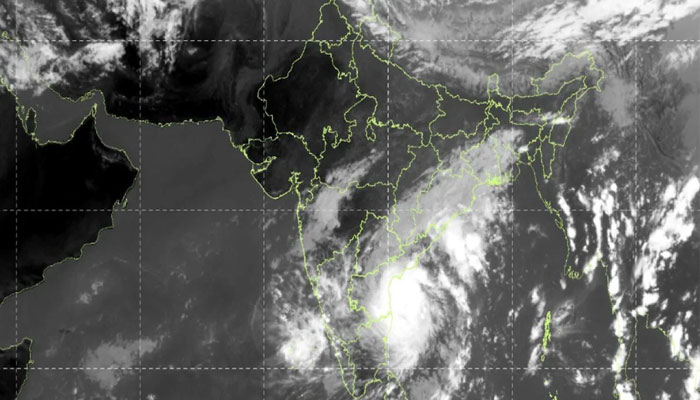
Cyclone Murasu Hits Andhra Coast Near Ongole, Winds Reach 120 Kmph; Heavy Rain Batters Coastal Districts
Severe Cyclonic Storm Murasu began its landfall along the Andhra Pradesh coastline near Ongole in Prakasam district early Tuesday, unleashing intense rainfall, powerful winds and rough sea conditions in several coastal areas.
The India Meteorological Department (IMD) confirmed that the landfall process started around 1 am on November 3. Wind speeds reached 110 kmph, while strong gusts touched 120 kmph as the storm moved towards the coast.
In its latest bulletin, the IMD said the cyclone’s forward wall-cloud sector had begun entering the coastline, indicating the start of the landfall process. Heavy rainfall and strong winds were reported in Ongole and nearby locations.
Cyclone Murasu Intensifies Coastal Weather Conditions
At approximately 1:30 am, the severe cyclonic storm was centred over the west-central Bay of Bengal, close to the south Andhra Pradesh coast. It was located around 40 km southeast of Ongole, 60 km northeast of Kavali and 70 km south of Bapatla.
The approaching storm triggered high tides and dangerous sea conditions along the coastline. The IMD cautioned that gale-force winds of 110 kmph, with gusts reaching 120 kmph, could persist along and off the coast until Wednesday morning.
Flood Threat as IMD Issues Storm Surge Warning
Heavy rainfall was forecast at several places across South Coastal Andhra Pradesh over a 12-hour period. The weather department also warned of a possible storm surge measuring 1 to 1.5 metres above the astronomical tide.
The surge could lead to seawater entering low-lying coastal settlements and inundating vulnerable areas. Bapatla, Krishna and Prakasam districts were expected to face a greater risk from the rising sea levels.
Cyclone’s Rain Bands Reach Puducherry and Tamil Nadu
The effects of Cyclone Murasu were not restricted to Andhra Pradesh. Puducherry experienced continuous rainfall from midnight, affecting normal activities, while several parts of North Tamil Nadu also witnessed showers.
The cyclone’s outer rain bands continued to influence weather conditions across these neighbouring regions.
Earlier, the IMD had predicted that Murasu would strengthen into a very severe cyclonic storm before crossing the Andhra Pradesh coast between Nellore and Narsapur, near Ongole.
Comments are closed.