
WHO Lists Six Climate Actions That Could Prevent 1.6 Million Deaths Every Year While Cutting Emissions
Released just days before COP31, the UN agency’s report calls for heat-health alert systems and climate-resilient drinking water and sanitation infrastructure to tackle climate risks.
Six Climate Actions Could Save 1.6 Million Lives Annually, Generate Trillions In Economic Benefits: WHO
The World Health Organization (WHO) has identified six key measures that could save nearly 1.6 million lives every year, significantly reduce carbon emissions and deliver trillions of dollars in economic benefits.
The findings, published on Wednesday ahead of the upcoming COP31 climate summit in Turkey, highlight how targeted investments in public health and climate protection could deliver substantial benefits worldwide.
Among the measures recommended by the UN health agency are heat-health warning systems, stronger infrastructure for drinking water and sanitation, improved hand hygiene, wider access to cleaner household energy and more effective fossil fuel pricing.
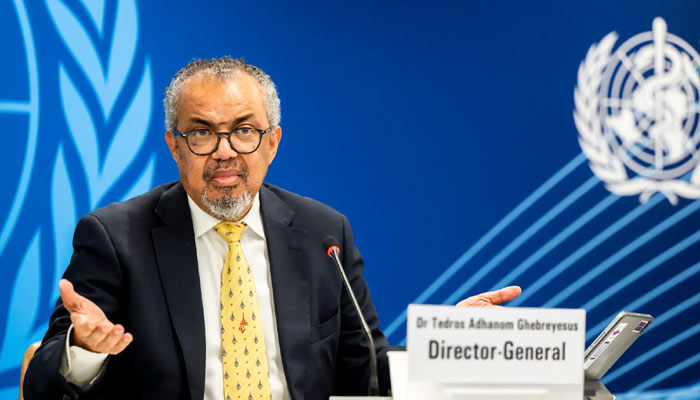
WHO Director-General Tedros Adhanom Ghebreyesus said the climate emergency was also a public health emergency, adding that many of its harmful consequences could be prevented using solutions that are already available.
The report describes the proposed interventions as a “triple dividend”, combining better health outcomes, lower greenhouse gas emissions and stronger economies.
According to its estimates, implementing the six measures could help prevent 16.7 billion tonnes of carbon dioxide emissions annually. The interventions could also deliver up to $5.4 trillion in fiscal benefits each year and generate nearly $4 trillion in additional economic gains by preventing premature deaths, limiting disaster-related losses and reducing healthcare expenses.
However, the WHO cautioned that the projections are based on ambitious implementation scenarios and come with data gaps and uncertainties.
Tedros said expanding proven and affordable solutions could save millions of lives, with the most significant improvements expected in countries that face the greatest challenges.
Ahead of COP31, scheduled to take place in Turkey next week, he called on world leaders to put the protection of human health at the heart of global climate action.
Comments are closed.