
England Cricket Set To Lose Rs 627 Crore In 2027 Amid Absence Of India Fixtures, Lower ICC Revenue

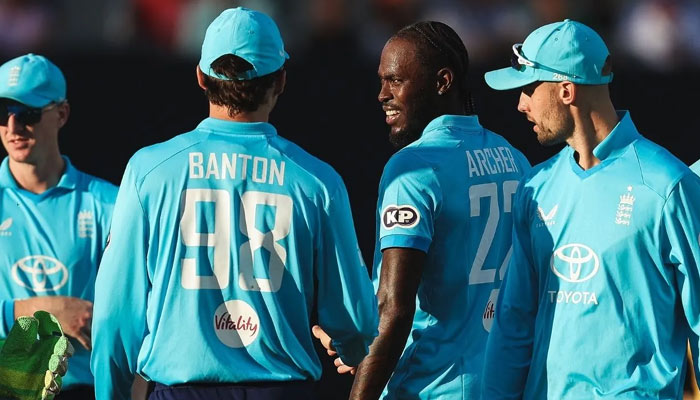
The England and Wales Cricket Board (ECB) is preparing for a potentially difficult financial year in 2027, with losses estimated to reach GBP 50 million (around Rs. 627 crore).
The projected setback comes despite England hosting a high-profile Ashes series against Australia, as the absence of an Indian tour and uncertainty over International Cricket Council (ICC) payments threaten to dent the board’s revenue.
According to The Guardian, the ECB’s financial concerns are linked to two major factors. The first is the absence of an India series on English soil in 2027. Matches involving India are among the most lucrative properties in international cricket, generating substantial broadcasting and commercial income for the host board.
Without India’s presence, the ECB could face a considerable decline in television rights revenue, even with the Ashes featuring prominently in its home schedule.
The second concern involves the ICC’s decision to hold back part of the revenue earmarked for member boards in 2027. The measure is expected to affect all 12 full-member nations as the governing body prepares for a potentially less profitable broadcasting cycle beginning in 2028.
The ECB reported a profit of GBP 12.6 million in 2025, but its earlier financial forecasts had already identified 2027 as a challenging period. The latest assessment indicates that the financial impact could be substantially greater than initially expected.
To reduce the burden, the ECB is reportedly negotiating with the ICC over the proposed reduction in distributions. The board is also exploring ways to restrict its losses to approximately GBP 35 million (around Rs. 439 crore). However, the final amount that the ICC will retain remains unclear.
The ECB still has opportunities to strengthen its finances through sponsorships, commercial partnerships and other events. Its financial year for 2027 will run until January 31, 2028, leaving some additional scope to improve its revenue position.
WHY IS THE ICC REDUCING PAYMENTS TO MEMBER BOARDS?
The ICC’s decision is connected to concerns about the broadcasting revenue expected from its next commercial cycle, scheduled to begin in 2028.
The governing body is looking to build a financial reserve by retaining a portion of the money otherwise payable to member nations in 2027. This approach is intended to cushion the impact of a possible decline in broadcasting income and maintain more stable distributions when the new cycle begins.
The decision is particularly significant because 2027 is the concluding year of the existing commercial arrangement. It also features the men’s 50-over World Cup, one of the ICC’s most valuable global sporting events, which would normally be expected to generate substantial commercial returns.
INDIA’S ABSENCE ADDS TO ENGLAND’S FINANCIAL PRESSURE
The Indian cricket market is a major contributor to the commercial value of international cricket. Consequently, India’s absence from England’s 2027 home schedule could have a considerable impact on the ECB’s broadcasting and sponsorship earnings.
The board currently holds a six-year broadcasting agreement with Sony Pictures worth GBP 185 million (approximately Rs. 2,323 crore). However, the contract is due to expire in 2028, and the ECB faces the prospect of securing a less lucrative agreement for the next cycle.
The financial challenges could also affect England’s domestic cricket structure. County clubs depend significantly on funding and financial assistance from the ECB, meaning any reduction in the board’s resources could have consequences across the domestic game.
The situation is already concerning, with 10 of England’s 18 counties reporting losses in their most recently published financial accounts.
A combination of lower broadcasting income, reduced ICC distributions and mounting financial pressure on domestic clubs could make 2027 one of the most challenging financial periods for English cricket in recent years.
Comments are closed.