
Three Reviews, Three Blunders: Shubman Gill’s DRS Decisions Backfire Against New Zealand

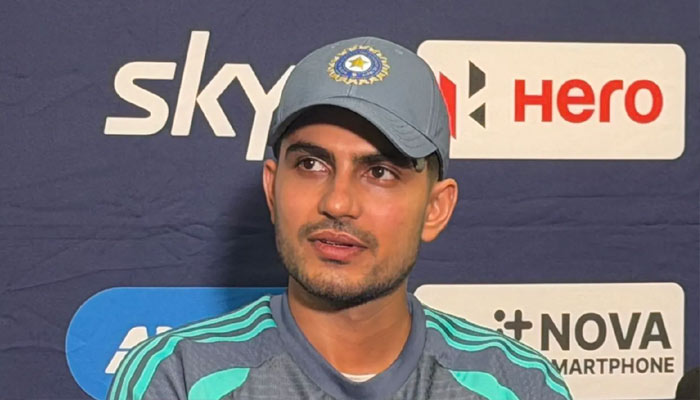
Three Reviews, Three Failures: Shubman Gill’s DRS Struggles Put India in a Spot Against New Zealand
India skipper Shubman Gill found himself at the centre of an unwanted discussion during the first Test against New Zealand at the Basin Reserve in Wellington. His decision-making under pressure came under scrutiny after all three reviews taken by India during the first two days went against the visitors.
Adding to India’s frustration was a missed opportunity to dismiss Rachin Ravindra on Day 1. Despite a strong appeal from wicketkeeper Rishabh Pant and the slip cordon following an apparent edge off Anshul Kamboj’s bowling, Gill decided against reviewing the umpire’s not-out decision.
The latest episode has revived questions about Gill’s ability to use DRS effectively as India’s Test captain. According to figures reported in August 2026, Gill had taken 41 reviews as skipper, with just five proving successful. The three unsuccessful challenges in Wellington have further worsened those numbers.
BUMRAH’S WARNING FAILS TO CONVINCE GILL
India’s first review came against Glenn Phillips on the opening day. Jasprit Bumrah bowled a delivery that came back in sharply and went past the batter’s bat. The Indian team appealed for LBW, but umpire Richard Illingworth rejected the appeal.
Bumrah was uncertain about the ball’s height and indicated to Gill that it might be going over the stumps. The captain, however, suspected that Phillips had not edged the delivery and decided to seek a review.
The Snickometer showed a spike as the ball passed the bat. Although the initial replay did not clearly establish contact, further slow-motion footage convinced third umpire Paul Reiffel that the ball had taken a slight deflection off the bat.
The on-field decision remained not out, costing India their first review. Gill appeared frustrated with the verdict and attempted to explain his interpretation of the delivery to Illingworth.
GILL’S BIGGEST MISS: RAVINDRA’S OUTSIDE EDGE
The more damaging moment came when Kamboj managed to find Ravindra’s outside edge with the new ball.
Pant completed the catch comfortably behind the stumps, and India’s fielders immediately appealed for a dismissal. However, the umpire refused to raise his finger.
Pant and the slip fielders were convinced that Ravindra had edged the delivery and urged Gill to take a review. The Indian captain remained unconvinced, and the countdown expired before he could challenge the decision.
Replays later showed a clear UltraEdge spike, indicating that Ravindra had made contact with the ball. India had effectively missed a chance to send the New Zealand batter back to the pavilion.
Ravindra survived and faced another 50 deliveries before Akash Deep eventually dismissed him behind the stumps. Kamboj had earlier removed Devon Conway, leaving the hosts in trouble at 12/2.
AKASH DEEP’S APPEALS COST INDIA TWO REVIEWS
Gill’s problems with DRS continued on Day 2, when India unsuccessfully challenged two decisions involving Akash Deep.
The first appeal was against Nathan Smith, who was struck on the pads by a delivery that moved back into him. Despite India’s loud LBW appeal, umpire Kumar Dharmasena ruled in favour of the batter.
Akash Deep appeared concerned that the ball might have been travelling too high. Gill nevertheless opted for a review, only for ball-tracking to show that the delivery was passing over the stumps.
India had now exhausted two reviews.
The captain’s final challenge came against Matt Henry. Akash Deep bowled a short delivery, which Henry avoided by moving away from its line. There was little reaction from the bowler or Pant, but Gill, stationed at first slip, believed the ball had brushed the bat.
He immediately requested a review. The decision proved costly once again, as the footage showed a clear gap between bat and ball. The Snickometer also displayed a flat line, confirming that there was no contact.
Gill could only respond with an awkward smile as India lost their final review. Henry appeared to enjoy the moment as well.
India later faced another LBW appeal against Kyle Jamieson but refrained from reviewing it. Prasidh Krishna had beaten the batter with a delivery that moved back, but the ball was projected to pass over the stumps. On this occasion, the Indian team made the right decision.
NICHOLLS AND PHILLIPS DENY INDIA EARLY CONTROL
The DRS controversy overshadowed what had initially been an impressive bowling effort from India.
The visitors had reduced New Zealand to 70/5, creating an opportunity to wrap up the innings cheaply. However, Nicholls and Phillips combined to produce a match-changing partnership worth more than 200 runs.
Phillips struck 118 before Akash Deep finally broke the stand on Day 2. The Indian pacer changed his bowling angle after several attempts from wide of the crease and eventually produced the delivery that beat Phillips’ outside edge.
Nicholls continued to frustrate the Indian bowlers, finishing unbeaten on 175 as New Zealand were bowled out for 368 in 121 overs.
India fought back after lunch, claiming the remaining four wickets for just 51 runs. Bumrah was the leading wicket-taker with figures of 4/92, while Akash Deep claimed 3/53. Prasidh Krishna picked up one wicket, and Kamboj completed the innings with the final dismissal.
Nicholls received a standing ovation from the Basin Reserve crowd as he left the field. Gill walked up to congratulate him with a handshake, while the batter’s family joined the spectators in applauding his outstanding effort.
Despite India’s late fightback with the ball, Gill’s three unsuccessful reviews and the missed opportunity against Ravindra emerged as major talking points from the first two days.
Comments are closed.