
Heatwave Claims 5,258 Lives in England This Summer, Health Agency Reveals

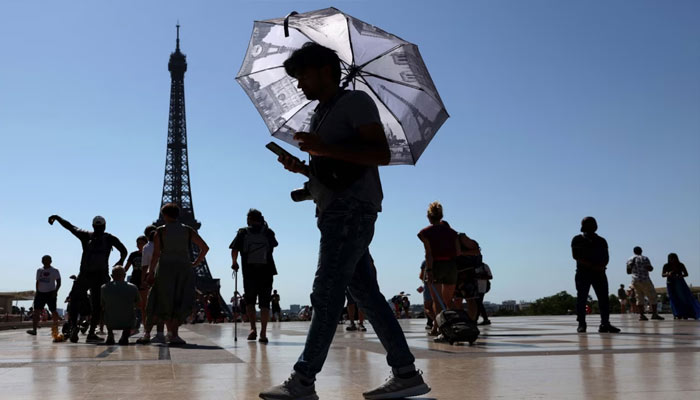
England Reports Record 5,258 Heat-Related Deaths During Summer 2026
England witnessed an estimated 5,258 deaths linked to extreme heat during the summer of 2026, the highest annual toll recorded by the UK Health Security Agency (UKHSA) since it began tracking heat-related mortality.
The figures, published in a provisional report on Tuesday, highlighted the severe public health consequences of an unusually hot summer. The UKHSA said mortality levels were higher than those recorded in any previous year since the agency started releasing annual heat-related death estimates in 2016.
Britain endured its hottest summer on record, with a series of heatwaves striking the country from the early part of the season. It also experienced an exceptional drought, as rainfall levels fell to their lowest in almost 200 years.
Climate scientists have repeatedly warned that human-induced global warming is making extreme weather events more intense. Europe is heating up faster than the global average, increasing the frequency and severity of heatwaves across the continent.
Although the latest figures remain provisional and could be revised, the UKHSA said the estimated mortality impact surpassed all previous annual assessments.
The agency attributed the 5,258 deaths to seven separate heat episodes recorded between May and September. This is considerably higher than the previous record of 2,985 heat-associated deaths reported during the summer of 2022.
For its assessment, the UKHSA compared the number of deaths during periods of extreme heat with mortality levels during nearby periods when temperatures were not unusually high. The method helps identify the additional health burden associated with heatwaves.
The impact was not limited to Britain. Several European countries also recorded thousands of heat-related deaths following the scorching summer. Germany reported an estimated 16,300 fatalities, while Spain registered more than 5,000.
A report published last month in the medical journal The Lancet urged the international community to recognise climate change as a “global health emergency”. The study estimated that heat exposure caused more than three million deaths worldwide between 2016 and 2023.
Extreme temperatures can place significant pressure on the human body as it attempts to maintain a stable internal temperature. This strain can increase the likelihood of serious cardiovascular complications, including heart attacks and strokes.
Looking ahead, Britain’s national weather agency has warned that the developing El Niño pattern could make 2027 the hottest year globally.
Against this backdrop, experts are urging authorities to strengthen climate adaptation measures, including making homes, public buildings and essential infrastructure better equipped to withstand rising temperatures and increasingly intense summer heat.
Comments are closed.