

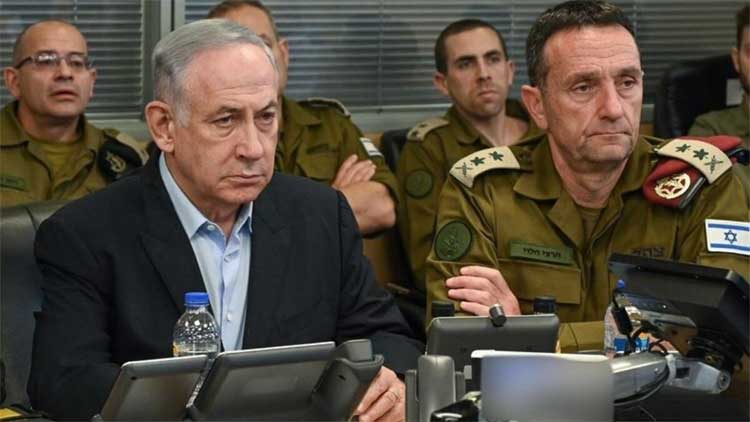
A day after devastating Israeli bombardment across Beirut, the Bekaa Valley and southern Lebanon—which reportedly killed over 250 people—Israel has signalled a potential diplomatic opening. Israeli Prime Minister Benjamin Netanyahu said he had directed his cabinet to begin peace talks with Lebanon, citing repeated outreach from Beirut.
“In light of Lebanon’s repeated requests to open direct negotiations with Israel, I instructed the cabinet yesterday to start direct negotiations with Lebanon as soon as possible,” Netanyahu said, adding that discussions would focus on disarming Hezbollah and establishing peaceful relations.
However, there are no signs that Iran is prepared to ease its near-total blockade of the Strait of Hormuz, a critical chokepoint for global oil trade. Continued Israeli strikes on Lebanon remain a major hurdle to any broader breakthrough.
No timeline yet for talks
A senior Lebanese official told Reuters that Beirut is pushing for a temporary ceasefire to create space for negotiations. The official said talks could follow a “separate track, but same model” as the Iran-US truce brokered by Pakistan, with the United States expected to act as a guarantor.
No date or venue has been finalised so far, underscoring that discussions are still at an early stage. According to Axios, an initial meeting could take place at the State Department in Washington.
Lebanon insists ceasefire is key
Shortly before Netanyahu’s remarks, Lebanese President Joseph Aoun stressed that a ceasefire is essential before any meaningful talks can begin.
“The only solution to the situation in Lebanon is to achieve a ceasefire between Israel and Lebanon, followed by direct negotiations,” Aoun said, adding that diplomatic efforts were gaining a “positive” response internationally.
Meanwhile, Hezbollah has continued rocket fire toward northern Israel, including the border city of Nahariya, with the Israeli military saying the projectiles struck open areas.
Iran has also warned against ceasefire violations, saying any breach—particularly in Lebanon and across the so-called “Axis of Resistance”—would trigger strong retaliation.
The diplomatic shift comes amid one of the most intense phases of fighting in recent months. Israel launched a renewed offensive against Hezbollah after the Iran-backed group began attacks on March 2.
Lebanese authorities say Israeli strikes have killed around 1,700 people and displaced more than a million. Meanwhile, local reports claim at least 400 Hezbollah fighters have been killed, while the group has fired hundreds of rockets and drones into Israel.
Israeli Defence Minister Israel Katz said Hezbollah was seeking a ceasefire, claiming Israeli operations killed over 200 militants in a single day, pushing the total beyond 1,400—figures that remain unverified.
Comments are closed.