

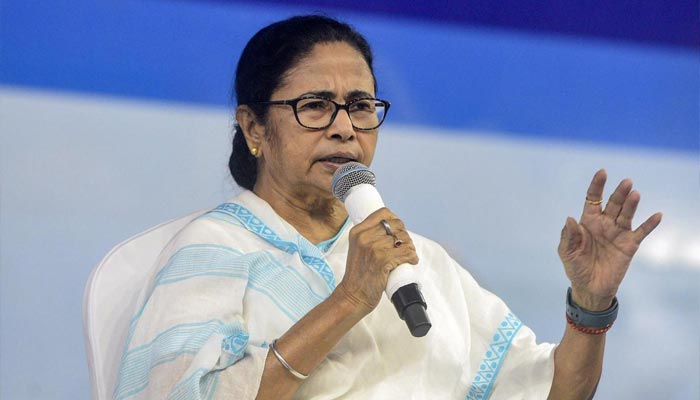
The Centre’s recent nod to Kerala’s move to officially adopt the name “Keralam” has once again brought the spotlight on the long-pending demand to rename West Bengal. Chief Minister Mamata Banerjee has alleged that the Union government’s reluctance to clear Bengal’s proposal reflects political bias.
Banerjee argued that the state’s demand has been repeatedly raised but remains unapproved. She claimed the Centre remembers Bengal only during elections and accused it of being dismissive of the state’s identity and legacy.
Centre’s stated reasons
Government sources, however, have refuted the allegations and cited both diplomatic and procedural concerns. One major objection relates to the proposed name “Bangla”, which officials say sounds similar to Bangladesh and could create confusion in international forums. The Ministry of External Affairs is understood to have flagged this aspect during consultations.
In 2016, the state government had proposed three versions of the name — Bangla (in Bengali), Bengal (in English) and Bangal (in Hindi). The Centre rejected the suggestion, stating that a state cannot officially have different names in different languages and that uniformity is essential.
An earlier 2011 proposal to rename the state “Paschim Banga” or “Paschim Bango” was also turned down, with the Centre describing it as a minor linguistic alteration.
Historical and legal dimensions
Officials have also underlined that renaming a state is not a simple administrative step. It requires coordination across multiple ministries — including Railways, Civil Aviation and the Postal Department — to update official records. Ultimately, the change must be cleared by Parliament through legislation passed by a simple majority.
Historically, the name “West Bengal” dates back to the partition of Bengal under British rule by Viceroy Lord Curzon. After India’s Independence in 1947, the eastern portion became East Pakistan and later Bangladesh in 1971. India retained the name West Bengal as a continuation of that legacy.
Political sparring continues
Banerjee has maintained that the “West” prefix has lost relevance since there is no longer an East Bengal. She has also argued that the name affects the state symbolically, as it often appears last in alphabetical listings at national events.
She has said the matter was raised with Prime Minister Narendra Modi and Union Home Minister Amit Shah on multiple occasions, but no approval has been granted so far. With Kerala’s renaming cleared, the debate over Bengal’s identity has resurfaced — blending questions of history, diplomacy and politics, with no immediate resolution in sight.
Comments are closed.