
AI2379 Probe: 3 Hydraulic Warnings, Autopilot Disconnection Recorded During Flight

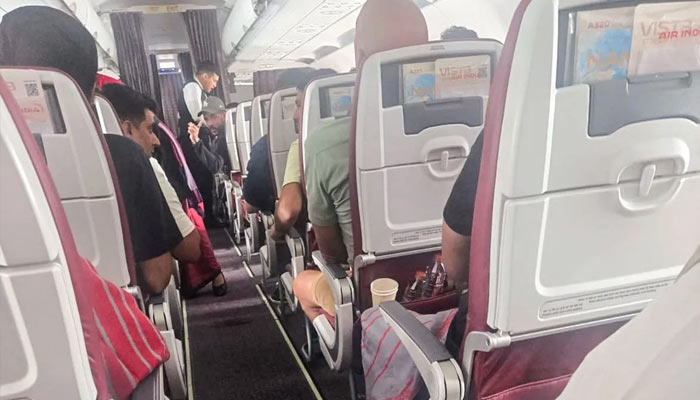
The probe into the August 4 Air India Phuket-Delhi turbulence incident has expanded.
After a post-flight maintenance report revealed a series of hydraulic warnings and autopilot disconnections during the flight, sources familiar with the investigation said.
The report relates to Airbus A320 aircraft VT-EXO, which operated flight AI2379. According to the maintenance record prepared after the aircraft landed in Delhi, the plane registered three low-pressure alerts involving its green, yellow and blue hydraulic systems within a short span.
An autopilot-disconnection warning appeared soon after the hydraulic alerts. The document also recorded another autopilot-off warning later in the flight, raising questions over whether the system was restored after the first disconnection before being disengaged again.
Other alerts, including warnings linked to emergency exit doors and additional aircraft systems, were also recorded.
Investigators are examining the sequence of technical alerts to determine whether they were connected in any way to the turbulence and the sudden change in altitude reported during the flight. The maintenance record has been shared with the Directorate General of Civil Aviation (DGCA) and the Aircraft Accident Investigation Bureau (AAIB), according to sources.
The aircraft continued flying for about 80 minutes after the initial hydraulic warnings before landing safely in Delhi.
AAIB examining technical and human factors
Related Posts
The AAIB said it is reviewing flight-data records, aircraft systems, maintenance documents, operational records, medical information and other evidence linked to the incident. The agency has cautioned against drawing conclusions from isolated findings while the investigation remains underway.
AI2379 experienced an abrupt altitude variation of around 300 feet while cruising through turbulence on August 4. There were 137 passengers, including three infants, and eight crew members on board.
Twenty passengers and four cabin crew members were injured, according to the latest official figures. The aircraft later stabilised and landed safely.
The investigation has also focused on the pilots’ mandatory post-incident psychoactive-substance tests. Sources said the pilot-in-command tested positive for marijuana in a confirmatory laboratory screening. Both pilots have been removed from flying duties pending the completion of the probe.
International experts assist investigation
The AAIB has said the investigation will remain comprehensive and evidence-based, covering technical, operational, medical and human factors.
France’s aviation investigation agency BEA and technical representatives from Airbus are assisting the probe under international aviation investigation protocols.
Investigators are now assessing the hydraulic alerts, autopilot activity, flight data, maintenance records and medical evidence together. The AAIB is expected to issue preliminary findings within the prescribed timeframe after completing its assessment, with the final determination of contributing factors dependent on the full body of evidence.
Comments are closed.