
Amarnath Yatra Beyond Devotion: Tracing Its Influence on Regional Tourism

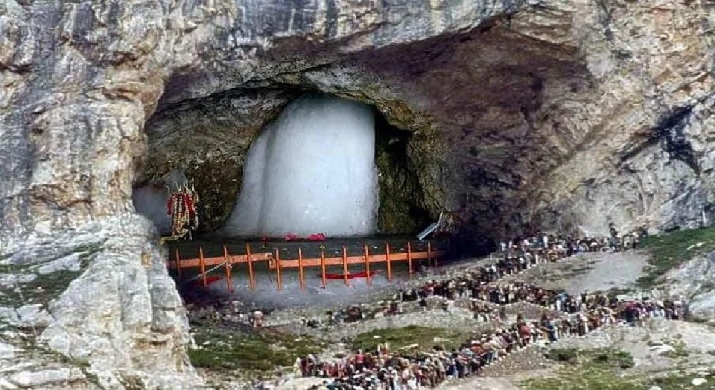
From Pilgrimage to Prosperity: How the Amarnath Yatra Fuels Kashmir’s Tourism Boom.
Each summer, the Amarnath Yatra draws thousands of devotees to the sacred Himalayan cave shrine — but its impact extends far beyond the spiritual. For Jammu & Kashmir, this annual pilgrimage has become a powerful economic catalyst, energising the region’s tourism, infrastructure, and livelihoods.
“The annual Amarnath Yatra is not only a spiritual journey but the lifeline of Jammu & Kashmir’s economy,” says Ravi Gosain, President of the Indian Association of Tour Operators (IATO).
Pilgrims Boosting the Valley’s Economy
Between June and July, over 300,000 pilgrims visited the region, setting off a chain reaction of economic activity. Local transport, hotels, food stalls, taxi services, and artisans all benefited from the seasonal influx.
“Hotels, guesthouses, and homestays were packed. Vendors and handicraft sellers did strong business,” Gosain adds.
Towns like Pahalgam and Baltal turned into seasonal tourism hotspots, while the surrounding areas also saw increased footfall, extending the traditional high season and offering new income streams to locals.
Spiritual Travel Meets Scenic Tourism
A growing number of yatris now stay back after the pilgrimage to explore Kashmir’s famed beauty spots — including Gulmarg, Sonmarg, and Srinagar — turning a religious trip into a leisure holiday.
“Pilgrims are increasingly combining the yatra with sightseeing, giving tourism in the Valley an added boost,” Gosain explains.
This dual-purpose travel trend has had lasting effects: improved roads, healthcare access, and mobile connectivity have been developed to support the yatra, but now serve locals and tourists alike throughout the year.
Security and Sustainability: The Twin Challenges
While the yatra brings prosperity, it also presents serious logistical and environmental challenges. Waste disposal, crowd management, and ecological strain on the fragile mountain terrain remain key concerns.
In light of recent attacks in the region, authorities deployed over 50,000 security personnel this year to ensure safety along the route.
“Security was a major concern, especially after recent incidents in Pahalgam. The response was swift and comprehensive,” Gosain notes.
More Than a Pilgrimage
Beyond the numbers and logistics, the Amarnath Yatra is a moment of collective effort — where faith, commerce, and community intersect.
“It’s more than just a pilgrimage. It’s a chance for the local community to come together, to welcome visitors, and to show the best of Kashmir,” Gosain says.
As faith-led travel continues to shape economic opportunities in Jammu & Kashmir, the Amarnath Yatra stands as a vivid example of how religious tourism can help revive, sustain, and unify an entire region.
Comments are closed.