
Amid Rising Tensions, Saudi Arabia Calls for De-escalation After US Strikes on Iran

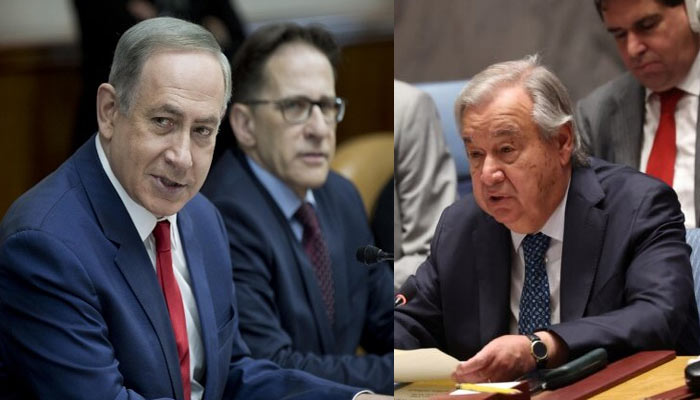
World Reacts as US Strikes Iranian Nuclear Sites: Warnings of Escalation, Calls for Diplomacy.
The United States’ military strikes on Iran’s key nuclear sites on Sunday have sparked a wave of international concern, with global powers urging restraint and warning of severe regional and global consequences.
Saudi Arabia: Deep Concern and Call for Restraint
Saudi Arabia voiced “great concern” over the US attacks, condemning the violation of Iran’s sovereignty. Riyadh urged all sides to exercise maximum restraint and emphasized the need for a political resolution amid what it described as “highly sensitive circumstances.”
UN Chief: “Gravely Alarmed”
UN Secretary-General Antonio Guterres sharply criticized the strikes, calling them a “dangerous escalation” that threatens global peace and security.
“There is no military solution. The only path forward is diplomacy. The only hope is peace,” he stated, warning of catastrophic consequences if the crisis spirals further.
Regional Responses: Condemnations and Fears of Spillover
Qatar, host to the largest US military base in the Middle East, warned of “catastrophic consequences” and urged all parties to show wisdom and restraint.
Oman, a longtime mediator between Tehran and Washington, strongly condemned the US airstrikes and warned of destabilization.
Lebanon’s President Joseph Aoun called for restraint, recalling the heavy toll past regional wars had on Lebanon. “We are unwilling to pay more,” he said.
Iraq condemned the targeting of Iran’s nuclear facilities as a threat to Middle East peace and stability.
Western Allies: Cautious Support and Diplomatic Push
UK Prime Minister Keir Starmer backed preventing Iran from developing nuclear weapons, but stressed diplomacy:
“We call on Iran to return to the negotiating table.” Italy’s Foreign Minister Antonio Tajani expressed hope that the strikes would lead to de-escalation and renewed talks.
New Zealand refrained from endorsing the US action, emphasizing the need for diplomacy over further military steps.
Asia-Pacific: Monitoring and Emergency Talks
Japan’s Prime Minister Shigeru Ishiba held an emergency cabinet meeting to assess the fallout, while Yomiuri newspaper issued a rare extra edition.
South Korea announced a security meeting to evaluate the regional and economic impact.
Australia, which evacuated its Tehran embassy on Friday, reiterated its concern over Iran’s nuclear program but called for de-escalation and diplomacy.
China: US Risks Repeating ‘Iraq Mistake’
In a commentary, China’s state media warned the US may be repeating the errors of its 2003 Iraq invasion:
“Military interventions in the Middle East often produce unintended consequences,” said CGTN, advocating for dialogue over confrontation.
Israel: Full Support for US Action
Israeli Prime Minister Benjamin Netanyahu praised Trump’s move, calling it a “bold and righteous” decision that would “change history.”
“The US has done what no other country could do,” Netanyahu said in a video message.
Israel’s UN envoy echoed the praise, stating that Trump’s decision proves “Never Again” is a policy, not just a slogan.
US Politics: Fierce Divide
- Supporters of President Trump in Congress swiftly applauded the strikes:
- Sen. Lindsey Graham called the decision “well done.”
- Sen. Roger Wicker said the action was necessary to eliminate an “existential threat.”
House Speaker Mike Johnson and Senate Majority Leader John Thune affirmed support, calling the strikes a demonstration of US resolve. Some Democrats backed the move, including Sen. John Fetterman, who said:
“Iran is the world’s leading sponsor of terrorism and cannot have nuclear capabilities.”
However, others, including Rep. Thomas Massie, warned the action lacked congressional authorization. Sen. Tim Kaine is pushing a resolution requiring congressional approval for future military actions against Iran.
Comments are closed.