
Antarctica Under Stress: Sudden Shifts in Sea Ice and Ocean Currents

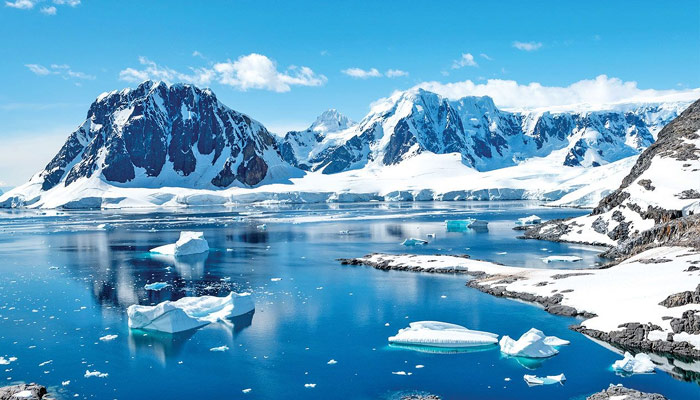
Antarctica’s Abrupt Changes Threaten Global Climate and Sea Levels.
Antarctica, once seen as a remote and unchanging wilderness, is now undergoing rapid and alarming shifts that scientists warn will reshape the planet for generations. A new study published in Nature finds that sea ice, ice shelves, and deep ocean currents around the frozen continent are already experiencing “abrupt changes” — far faster than scientists expected.
Sea ice shrinking at record pace
Since 2014, Antarctic sea ice has been retreating at double the rate of the Arctic. The decline is destabilizing floating glaciers, exposing darker oceans that trap more heat, and shrinking habitats for emperor penguins and other wildlife.
Ocean currents slowing
Meltwater from Antarctica’s ice sheets is disrupting the Antarctic Overturning Circulation, a vast system of deep currents that helps regulate Earth’s climate. Scientists warn the slowdown could unfold at twice the pace of its North Atlantic counterpart, reducing the ocean’s ability to absorb carbon dioxide, oxygenate waters, and supply nutrients vital to marine ecosystems.
Ice sheets nearing tipping points
Both West and East Antarctica are now losing ice at accelerating rates, with total ice loss rising sixfold since the 1990s. The West Antarctic Ice Sheet alone contains enough ice to raise sea levels by more than five metres. Researchers fear parts of it may be close to irreversible collapse, threatening hundreds of millions of people in low-lying coastal regions worldwide.
Wildlife and ecosystems under stress
Antarctica’s ecosystems are also shifting suddenly, with warming seas, shrinking sea ice, and invasive species threatening survival of iconic wildlife like emperor penguins and leopard seals. While the Antarctic Treaty provides some protection, scientists say only steep cuts in greenhouse gas emissions can slow the damage.
A global warning
The study underscores that changes in Antarctica are happening far faster than anticipated — and their impacts won’t remain confined to the icy continent. Rising seas, shifting weather patterns, and disrupted climate systems will affect the entire world.
“The stakes could not be higher,” the researchers conclude. “The choices we make now will determine whether we face irreversible collapse or manage resilience in a rapidly changing Antarctica.”
Comments are closed.