
AQI Crosses 1,000 in Bikaner, Bathinda: Experts Warn of Serious Respiratory Health Risks

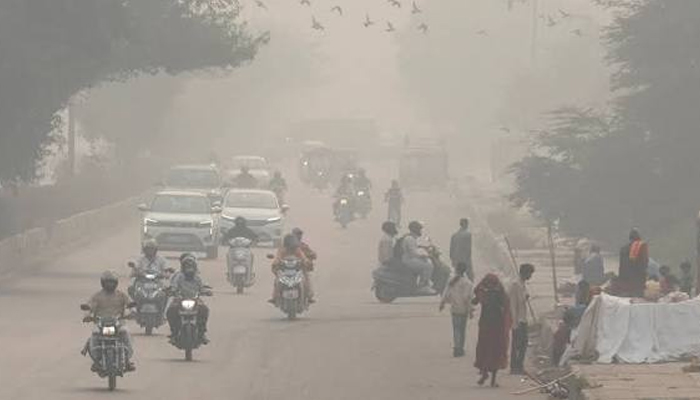
AQI Above 1,000 in Bikaner and Bathinda: Doctors Warn of Severe Impact on Lungs and Overall Health
Air pollution has reached dangerous levels in several parts of northern India, with Bikaner recording an alarming AQI of 1,357 and Bathinda reporting readings exceeding 1,100. The extreme pollution has raised serious health concerns, with medical experts warning that prolonged exposure can damage the respiratory system and affect other vital organs.
Breathing polluted air can cause much more than coughing, sneezing or eye irritation. Fine particulate matter can penetrate deep into the lungs, trigger inflammation and interfere with the body’s natural defence mechanisms. Even people with no previous history of respiratory illness can experience breathing difficulties under such conditions.
To understand the health implications of such extreme pollution, Dr Lancelot Mark Pinto, Consultant Pulmonologist and Epidemiologist at P.D. Hinduja Hospital and MRC, Mumbai, and Dr Naveen Vennilavan R, Consultant Interventional Pulmonologist and Sleep Medicine Specialist at Kauvery Hospital, Chennai, have explained the risks and precautions people should follow.
What Does an AQI Above 1,000 Indicate?
The Air Quality Index (AQI) measures the concentration of pollutants such as PM2.5, PM10, nitrogen dioxide, sulphur dioxide, carbon monoxide and ground-level ozone.
India’s Central Pollution Control Board (CPCB) uses an AQI scale ranging from 0 to 500. A reading between 401 and 500 falls under the ‘Severe’ category. Consequently, reported readings above 1,000 are beyond the upper limit of the standard CPCB scale and do not represent a separate official health category. Nevertheless, they indicate extremely polluted conditions that require serious precautions.
How Does Extreme Pollution Damage the Lungs?
According to Dr Lancelot Mark Pinto, tiny particles such as PM2.5 can travel deep into the respiratory system and reach the alveoli, the air sacs responsible for transferring oxygen into the bloodstream.
Exposure to highly concentrated pollutants can trigger inflammation in the airways, resulting in swelling, increased mucus production and narrowing of the breathing passages. This may cause persistent coughing, wheezing, chest tightness and breathlessness, even among otherwise healthy individuals.
Pollution can also interfere with the lungs’ natural cleaning mechanism. Cilia, the tiny hair-like structures lining the airways, help remove mucus and trapped particles. High pollutant exposure can reduce their effectiveness, allowing harmful substances to remain inside the respiratory tract for longer.
Dr Naveen Vennilavan highlights that different pollutants affect the lungs in different ways. Particulate matter can cause tissue damage and inflammation, while gases such as nitrogen dioxide, sulphur dioxide and ground-level ozone can irritate the airways and aggravate asthma.
Some major respiratory effects include:
Airway inflammation: Pollutants irritate the bronchial tubes, causing swelling and discomfort.
Reduced lung function: Repeated exposure can affect breathing capacity and physical endurance.
Excessive mucus production: Increased mucus can lead to coughing and chest congestion.
Alveolar damage: Fine particles can reach deep into the lungs and trigger inflammation.
Higher infection risk: Pollution can weaken the respiratory system’s natural defence mechanisms.
Can Severe Air Pollution Affect Healthy People?
Air pollution is particularly dangerous for people suffering from asthma, chronic obstructive pulmonary disease (COPD) and cardiovascular conditions. However, healthy individuals are also vulnerable.
Dr Pinto explains that exposure to extremely high pollutant concentrations can reduce lung function even in people without any existing respiratory illness. Those with underlying conditions may experience worsening symptoms or sudden flare-ups.
The effects can continue even after a person leaves a polluted area, as airway inflammation and irritation may persist. New or worsening breathlessness, wheezing and chest discomfort should therefore not be ignored.
Dr Naveen also points out that prolonged exposure to polluted air is associated with several health problems, including asthma, COPD, respiratory infections, reduced lung function and lung cancer.
The damage is not restricted to the respiratory system. Fine particles entering the bloodstream can contribute to inflammation throughout the body and increase concerns about cardiovascular health, particularly among people with existing heart conditions.
How Can You Protect Yourself From Extreme Air Pollution?
Reducing exposure to polluted air is one of the most effective ways to protect respiratory health. Although staying indoors may not be possible for everyone, people can take several precautions to minimise the amount of polluted air they breathe.
Health authorities recommend the following measures:
Wear an N95 or N99 mask: Use a properly fitted mask covering both the nose and mouth. Cloth masks, scarves and handkerchiefs do not provide equivalent protection against fine particles.
Check AQI Before Going Outdoors: Monitor local air quality updates and postpone unnecessary outdoor activities when pollution levels are extremely high.
Stay Away From Busy Roads: Avoid heavily congested roads, construction sites, industrial areas and locations with visible smoke or dust.
Avoid Outdoor Exercise: Running, jogging and cycling can increase the amount of polluted air entering the lungs because physical exertion raises the breathing rate.
Maintain Cleaner Indoor Air: Keep windows and external doors closed during periods of high outdoor pollution. An air purifier with an appropriate HEPA filter may help reduce indoor particulate matter. Avoid ozone-generating devices.
Take Extra Care With Existing Health Conditions: Children, older adults, pregnant women and people with respiratory or cardiovascular illnesses should minimise outdoor exposure. Those taking prescribed medicines should keep them accessible and follow medical advice.
Can Food Help Protect Your Lungs From Air Pollution?
A healthy diet can support the body’s overall functioning during periods of severe pollution, but no food or drink can prevent pollutants from entering the lungs or reverse the damage caused by exposure.
The National Centre for Disease Control (NCDC) recommends consuming antioxidant-rich fruits and vegetables and maintaining adequate hydration.
Dr Pinto emphasises that pollutants can trigger inflammatory responses beyond the respiratory system. A balanced diet containing essential nutrients can support general health, although dietary changes cannot replace measures to reduce pollution exposure.
Some useful dietary habits include:
Eat antioxidant-rich fruits: Oranges, guavas, amla, papaya and berries provide vitamins and antioxidant compounds.
Include green vegetables: Leafy vegetables, carrots, tomatoes and capsicum contribute essential vitamins and minerals.
Get sufficient vitamin C: Citrus fruits, guava, amla and capsicum are useful sources of this nutrient, which supports normal immune function.
Stay hydrated: Drink adequate water throughout the day. Soups and other fluids can also help maintain hydration.
Choose balanced meals: Include protein sources such as pulses, beans, eggs, fish, chicken, paneer and tofu, along with whole grains, vegetables and fruits.
Experts caution that drinking excessive water does not flush pollutants out of the lungs. Similarly, no specific diet can act as a protective shield against toxic air.
Ultimately, limiting exposure, wearing properly fitted protective masks when outdoors and seeking medical attention if respiratory symptoms develop remain essential steps in dealing with extreme air pollution.
Comments are closed.