

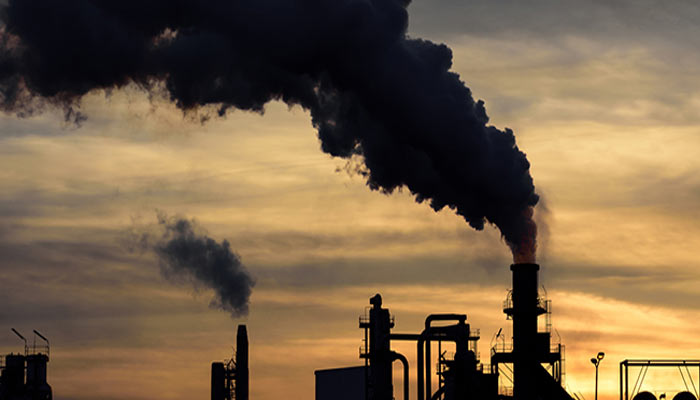
India Enters 2026: Climate Change Is No Longer a Risk—it’s an Economic Reality.
As India steps into 2026, climate change is no longer a distant environmental concern. It has become an economic variable, directly influencing productivity, inflation, infrastructure resilience, financial stability, and national competitiveness.
The past year offered a stark reminder. Record-breaking heatwaves disrupted construction, factory output, logistics, and agriculture. Estimates suggest heat stress alone may already be eroding 4–6% of GDP annually through lost work hours, rising healthcare costs, and volatile crop yields. Climate impacts are now structural, recurring, and embedded in India’s growth model.
From Awareness to Action
In 2025, climate risk began shaping real economic decisions. Urban flooding disrupted transport and municipal services, infrastructure projects were delayed, insurance premiums rose, and food price volatility complicated inflation management. Credit assessments, project timelines, asset valuations, and public spending are now being influenced by climate considerations.
India’s capacity as a climate solutions economy is growing. By mid-2025, renewable energy capacity surpassed 190 GW, domestic manufacturing of solar modules, batteries, and electrolyzers scaled rapidly, and green hydrogen pilot projects moved from announcements to deployment. Yet execution remains the bottleneck. India needs roughly USD 300 billion annually in climate investment through 2030—far above current flows, particularly for adaptation.
Adapting Cities and Infrastructure
Cities expose the gap between ambition and execution. Heat stress, flooding, and water scarcity threaten urban life, but investments in district cooling, climate-resilient housing, drainage, and wastewater recycling remain limited. Without standardised project models and predictable revenue structures, private capital is hesitant, leaving cities fiscally exposed.
Policy Meets Industry
Globally, the climate agenda has shifted toward delivery. COP30 underscored that ambition alone is insufficient—measurable outcomes are now key. India’s draft green taxonomy, the RBI’s Regulatory Climate Oversight framework, and CCUS roadmaps for hard-to-abate sectors signal a shift from intent to implementation. Execution here will safeguard export competitiveness, create new industrial value chains, and position India as a solutions provider.
Carbon markets are moving from theory to consequence. With the EU’s Carbon Border Adjustment Mechanism entering execution, steel, cement, aluminium, and chemical exporters face direct carbon costs. Early movers in low-emission production will protect margins; delay risks competitiveness.
Energy, Efficiency, and Finance
Deep decarbonization requires a renewed focus on nuclear energy as a scalable, baseload solution, alongside aggressive energy efficiency measures. Efficiency across industry, buildings, appliances, and transport delivers immediate returns, lower costs, and higher productivity, making it a core competitiveness strategy.
Adaptation must become central. Heat-resilient building codes, reflective roofing, advanced forecasting, climate-resilient crops, water-efficient industrial processes, and decentralized energy exist—but lack coordinated, scalable deployment supported by regulatory clarity and blended finance.
Corporates and financial institutions are pivotal. Boards must treat climate exposure as a core risk; lenders and insurers must embed climate into portfolio strategy. Early investment in electrification, clean energy, and efficiency protects margins and market access; delay carries escalating costs and competitive disadvantages.
2026: Execution Will Define Growth
India enters 2026 with structural advantages—scale, technical capability, entrepreneurial depth, and a still-evolving growth trajectory. Climate change can either slow this trajectory or strengthen it. The determining factor will be execution: turning ambition into tangible outcomes, delivering infrastructure, finance, and industrial transformation at scale.
Comments are closed.