

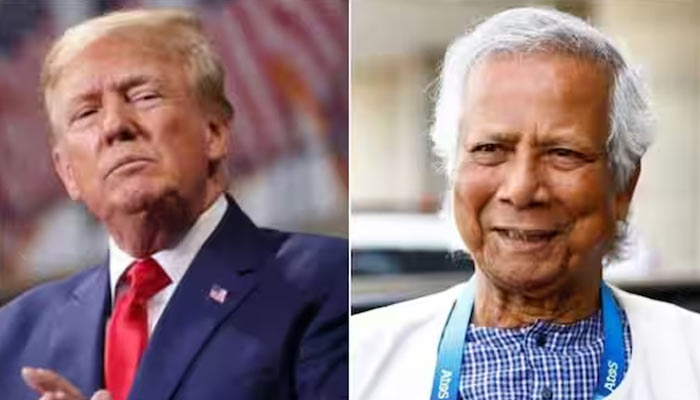
US, Bangladesh Sign Trade Pact Lowering Tariffs to 19% Ahead of Elections
The United States and Bangladesh have signed a trade agreement under which Washington will lower tariffs on Bangladeshi exports to 19 per cent, in exchange for expanded market access for American goods across multiple sectors.
Under the deal, US-made automobiles, motorcycles, vehicle parts, medical devices, machinery, ICT equipment, energy products, and soy-based goods will receive preferential access to the Bangladeshi market.
In return, Bangladesh’s key export — ready-made garments (RMG) produced using US-sourced cotton and synthetic fibres — will enjoy zero reciprocal duty. However, the volume of duty-free garment exports will be linked to Bangladesh’s imports of US textile inputs, including cotton and man-made fibres.
Officials from Bangladesh’s Commerce Ministry said the agreement also covers imports of US wheat, soybean, and liquefied natural gas (LNG), a commitment to avoid tariffs on e-commerce, compliance with US-mandated intellectual property rights standards, and support for US-backed reforms of the World Trade Organisation (WTO).
Labour Rights, Investment Commitments
As part of the pact, Bangladesh has committed to protecting internationally recognised labour rights. Measures include banning imports of goods produced through forced labour, amending labour laws to ensure freedom of association and collective bargaining, and strengthening enforcement of labour regulations.
The US will also explore investment financing in Bangladesh’s critical sectors through institutions such as the Export-Import Bank of the United States (EXIM Bank) and the US International Development Finance Corporation (DFC), subject to eligibility and applicable laws, in collaboration with American private sector partners.
Additionally, Bangladesh has agreed to purchase approximately $3.5 billion worth of US agricultural products, including wheat, soy, cotton, and corn, along with energy imports valued at around $15 billion over 15 years, and aircraft procurement.
As part of efforts to ease US tariff pressures, Bangladesh recently agreed to purchase 25 aircraft from Boeing in a deal estimated at Tk 30,000–35,000 crore.
Trade Impact and Political Context
According to the Export Promotion Bureau (EPB), the US remains Bangladesh’s largest export market. In August last year, Bangladesh secured a reduction in proposed US tariffs on its exports to 20 per cent, down from the initially proposed 37 per cent. Bangladeshi policymakers had earlier indicated they were aiming for a further cut to 15 per cent.
Business analysts said the agreement provides much-needed relief to Bangladesh’s apparel exporters. The ready-made garments sector accounts for over 80 per cent of export earnings, employs around four million workers, mostly women, and contributes roughly 10 per cent to GDP.
The deal comes as Bangladesh heads into general elections on February 12, aimed at ending the 18-month Yunus-led interim regime, which assumed power following the fall of Sheikh Hasina’s Awami League government after a violent student-led movement known as the July Uprising.
Comments are closed.