
“Beware the ‘Nightmare Bacteria’: Symptoms, Risks, and How to Stay Safe”

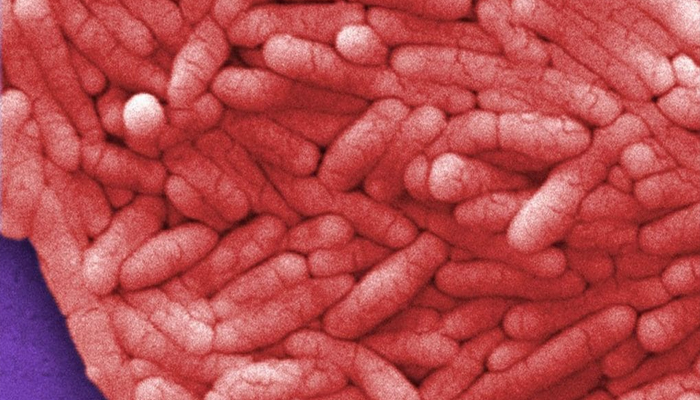
‘Nightmare Bacteria’ Cases Soar in the US: Symptoms, Risks, and Prevention Tips
A new CDC study, published in Annals of Internal Medicine, shows infections from drug-resistant “nightmare bacteria” have risen nearly 70% in the US between 2019 and 2023. These bacteria resist carbapenems, last-resort antibiotics, making infections extremely difficult and expensive to treat.
The surge is mainly driven by bacteria carrying the NDM (New Delhi metallo-β-lactamase) gene. In 2023, 29 states reported 4,341 carbapenem-resistant cases, including 1,831 NDM-linked infections, a fivefold increase since 2019. Many carriers remain undiagnosed, raising the risk of wider community spread.
What Are ‘Nightmare Bacteria’?
These are Carbapenem-resistant Enterobacteriaceae (CRE), including Klebsiella pneumoniae and E. coli, which commonly cause urinary tract infections, pneumonia, and bloodstream infections. NDM strains can neutralize multiple antibiotics, leaving doctors with almost no options. The gene was first identified in New Delhi, and resistant strains are widespread in South Asia due to antibiotic misuse, overcrowded hospitals, and weak regulations.
Symptoms to Watch For
UTIs: burning, cloudy urine, frequent urges
Pneumonia: cough, fever, chest pain, difficulty breathing
Bloodstream infections: high fever, chills, confusion, low blood pressure
Other signs include persistent fevers, wound infections, or gastrointestinal issues.
Why Cases Are Rising
Overuse of antibiotics during COVID-19
Hospital vulnerabilities (ventilators, catheters, IV lines)
Global travel spreading resistant strains
Misuse or incomplete antibiotic courses
NDM infections are especially dangerous, with only two expensive intravenous drugs effective. Experts warn that untreated resistance could make routine infections and surgeries far more risky.
How They Spread
- Person-to-person contact
- Contaminated medical equipment
- Poor sanitation or unsafe food and water
- International travel
- Prevention Tips
- Wash hands regularly
- Use antibiotics responsibly and complete courses
- Maintain wound hygiene
Follow hospital infection-control protocols
Get vaccinated
Exercise caution in high-risk regions
With proper hygiene and careful antibiotic use, individuals can help curb the spread of these dangerous bacteria.
Comments are closed.