
BRICS Nations Condemn Trump-Era Tariffs, Cite Disruption to Global Trade Stability

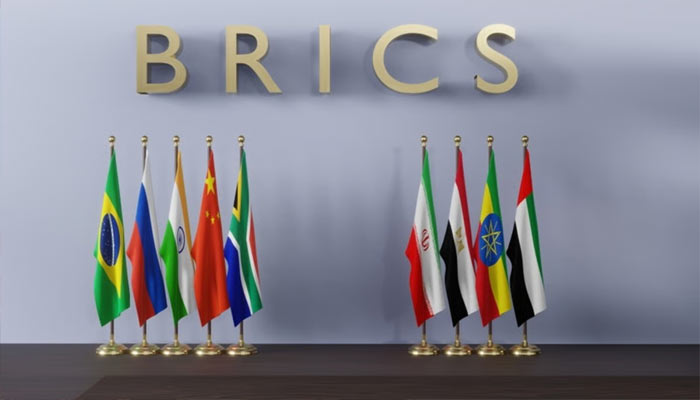
BRICS to Condemn Trade Protectionism, Struggles to Unite on Middle East Conflicts.
Leaders of the BRICS nations—Brazil, Russia, India, China, and South Africa—are set to gather in Rio de Janeiro this week to push back against global economic protectionism, with particular concern over U.S. tariffs imposed during Donald Trump’s presidency. However, divisions remain on how to respond to escalating crises in Gaza and Iran.
Diplomats from the bloc, which now includes newer members such as Iran, the UAE, Egypt, Ethiopia, and Indonesia, are drafting a joint statement that is expected to criticize unfair trade practices without directly naming the United States. The move reflects growing frustration over the economic uncertainty caused by Washington’s tariff threats, particularly with new hikes expected from July 9.
“Mentioning the U.S. directly would be diplomatically sensitive, especially for China,” said Marta Fernandez of the BRICS Policy Center. China recently reached a trade understanding with the U.S. and is cautious about escalating tensions.
Summit Undershadowed by Key Absences
This year’s summit carries less political weight due to the absence of major leaders. Chinese President Xi Jinping is skipping the event for the first time in over a decade, reportedly delegating Premier Li Qiang instead. Analysts suggest Xi’s absence may also be influenced by Indian Prime Minister Narendra Modi’s elevated role as guest of honor.
Russian President Vladimir Putin, under international indictment, will also participate only via video link. Iran’s new President Masoud Pezeshkian has opted out as well. Brazilian President Lula da Silva, who is seeking to elevate Brazil’s global standing ahead of a tight election year, is hosting the summit as part of a broader push that includes the G20 and COP30 climate talks.
No Consensus on Gaza, Iran
Despite shared goals on trade, the bloc remains divided on how to address the wars in Gaza and between Iran and Israel. Iranian negotiators are reportedly seeking a tougher joint stance, but other BRICS nations remain cautious. “We’re working toward a common voice, especially on global conflicts,” Brazil’s Foreign Minister Mauro Vieira told AFP. But sources close to the talks confirm no agreement has been reached yet.
A Bigger, More Complex BRICS
The group’s recent expansion has boosted its global relevance, now representing nearly half the world’s population. However, it has also complicated internal consensus-building. Beyond geopolitics, BRICS leaders will also discuss cooperation in AI and global health. But whether the group can align on divisive issues—or merely echo vague calls for peace—remains to be seen.
Comments are closed.