
Can diabetics include chikoo in their daily diet? Experts advise caution

Fruits are an important part of a healthy diet, but for people with diabetes, fruit choices need extra care.
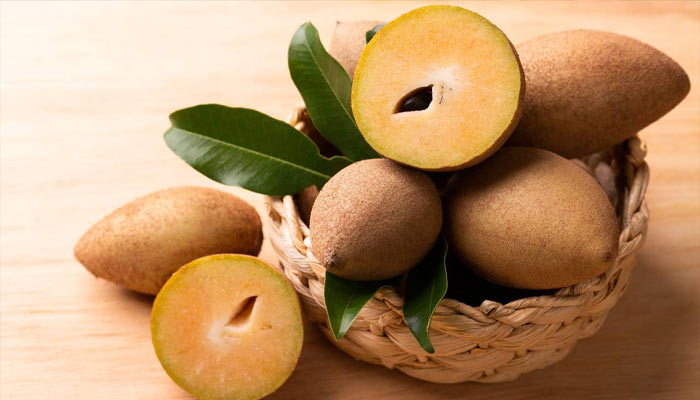
Chickoo (sapota)—popular for its creamy texture and natural sweetness—is often debated because of its impact on blood sugar levels. So, can diabetics eat it daily? Experts advise caution.
Nutritional profile of chickoo
Chickoo is rich in nutrients despite its modest appearance. According to Ayurvedic practitioners, sapota contains vitamins A, B, C and E, along with minerals such as calcium, magnesium, potassium and manganese. It is also a good source of fibre and antioxidants, which support digestion and overall health.
Research published in scientific journals suggests that sapota may help improve digestion, support bone health and boost immunity when eaten in moderation.
What experts say about its benefits
Ayurvedic expert Dr Pramod Anand Tiwari, speaking to NewsPoint, says chickoo is known to support heart health and ease digestive problems such as constipation, bloating and diarrhoea. He adds that the fruit has anti-inflammatory properties, helps reduce excess body heat, and may assist in blood pressure regulation.
Chickoo’s natural sugars—fructose and sucrose—provide quick energy, making it popular among physically active individuals. The presence of vitamin E and antioxidants also contributes to skin health.
Is chickoo safe for diabetics?
This is where caution becomes essential.
Chickoo has a high natural sugar content and a high glycaemic load, which means it can cause a rapid spike in blood glucose levels. Because of this, doctors generally advise people with poorly controlled diabetes to avoid chickoo altogether.
Those with well-managed diabetes may consume very small portions occasionally, but only after consulting a doctor or dietitian. Daily consumption is not recommended.
Who should avoid chickoo?
Chickoo may not be suitable for:
- People with diabetes or fluctuating blood sugar levels
- Individuals on a weight-loss diet, as it is calorie-dense
- Those with latex or tannin sensitivity, since sapota can trigger allergic reactions in some cases
- Better fruit choices for diabetics
Health experts suggest opting for fruits with a lower glycaemic index, such as:
- Guava
- Apples
- Berries
- Pears
These fruits provide fibre and nutrients without sharply raising blood sugar levels.
Bottom line
While chickoo offers several health benefits, its high sugar content makes it unsuitable for daily consumption by diabetics. If eaten at all, it should be in small quantities and under medical guidance.
Comments are closed.