
China halts 24% tariff on US goods for a year, maintains 10% import duty

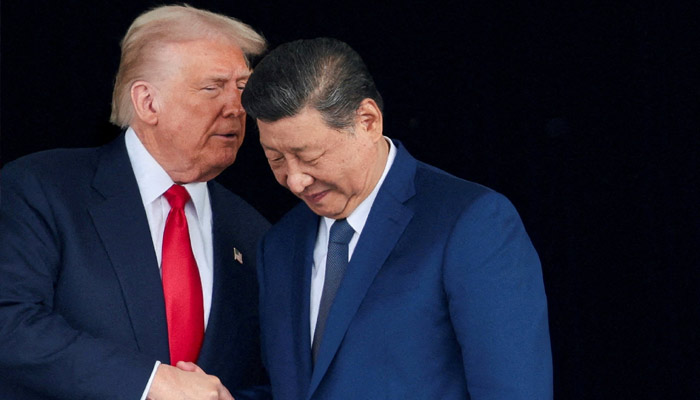
China has announced it will suspend an additional 24% tariff on US goods for one year while maintaining a 10% levy, in a move aimed at easing trade tensions with Washington.
The decision, confirmed by the State Council Tariff Commission on Wednesday, takes effect immediately and will remain in force for 12 months, according to a report by Reuters. The announcement follows last week’s meeting between Chinese President Xi Jinping and US President Donald Trump in Busan, which both sides described as a significant step toward rebuilding trust after years of economic strain.
In its statement, the Tariff Commission said the suspension was part of China’s “commitment to stabilising trade and promoting healthy economic relations” with the United States. The move is expected to lower costs for American exporters and provide relief to industries affected by previous rounds of tariffs.
As part of the same decision, China — the world’s largest buyer of agricultural products — also said it would lift tariffs of up to 15% on selected US farm goods, including soybeans, corn, wheat, and pork, beginning November 10. The reduction could reopen a key export market for American farmers, who have faced declining sales since the trade war escalated.
The development comes after what Trump called an “amazing” and “very productive” meeting with Xi, where both leaders agreed to resume agricultural trade and discuss broader tariff reductions. “We had a fantastic meeting,” Trump told reporters afterward. “President Xi has agreed to restart soybean purchases, work to curb fentanyl exports, and continue discussions on reducing tariffs.”
Economists have welcomed the suspension as a sign of renewed pragmatism in Beijing’s trade policy. “This is a tactical step toward stabilising relations rather than a full reset,” said one analyst. “It gives both sides breathing room ahead of further negotiations.”
However, the retained 10% levy underscores that China remains cautious about fully dismantling its trade barriers without reciprocal actions from Washington.
While the move does not mark an end to the broader US–China trade dispute, it represents one of the most significant gestures of goodwill between the two economies in recent years and could pave the way for more substantive talks in 2026. [Change Headline]
Comments are closed.