
China Tightens Business Visa Checks for Indians; Rejections Jump as High as 95%

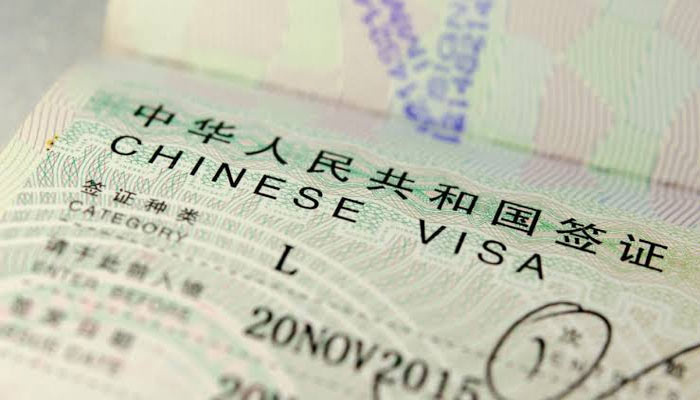
Indian professionals travelling to China for business are reportedly facing a tougher visa regime, with several companies seeing approval rates fall to between 20% and 40% and rejection rates reportedly reaching as high as 95%.
The reported shift has made business travel more uncertain for Indian firms that regularly send executives, engineers and technical teams to China for factory visits, sourcing, negotiations and on-site assignments.
Approval Rates Plunge
According to The Economic Times, Indian companies are encountering increased scrutiny during the business visa process. Executives cited in the report said applications that were previously approved relatively easily are now taking longer and producing less predictable outcomes.
There is no reported blanket suspension of business visas for Indians. However, the sharp decline in approvals at some companies has raised concerns among businesses that depend on frequent travel to China.
Why Indian Companies Need China Access
The visa squeeze could have a wider impact because of the deep links between Indian businesses and Chinese manufacturing. Indian manufacturers across several industries rely on China for machinery, components and other capital goods. Some companies source a substantial share of these requirements from Chinese suppliers.
For sectors such as electronics and automotive contract manufacturing, physical visits can be essential for inspecting factories, resolving technical issues, negotiating contracts and managing suppliers. With visas becoming harder to obtain, some companies are reportedly shifting meetings to destinations such as Singapore, Thailand, Malaysia and Hong Kong.
What Is the M Visa?
China’s M visa is the category generally used by foreign nationals travelling for commercial activities. It covers purposes such as business meetings, trade, factory visits and participation in exhibitions. Applicants typically have to complete the China Online Visa Application process, submit supporting documents and provide a passport with the required validity.
An invitation from a Chinese business partner is also generally part of the application process and is expected to contain the relevant company details and official seal.
Stricter Rules Ahead
The reported increase in scrutiny comes ahead of changes to China’s exit and entry regulations scheduled to take effect on September 15, 2026.
The revised regulations are expected to strengthen authorities’ powers concerning travel-purpose verification and security-related checks, including the inspection of electronic devices in certain circumstances. For Indian business travellers, this could mean a more demanding visa process and greater scrutiny of travel plans and professional activities.
The development could also affect companies with China-dependent supply chains. If executives and technical personnel are unable to travel when required, businesses may face delays in sourcing, production support, negotiations and other critical operations.
For Indian firms, the issue is therefore not simply about obtaining a visa—it could increasingly become a question of maintaining smooth access to one of their most important international business and manufacturing hubs.
Comments are closed.