

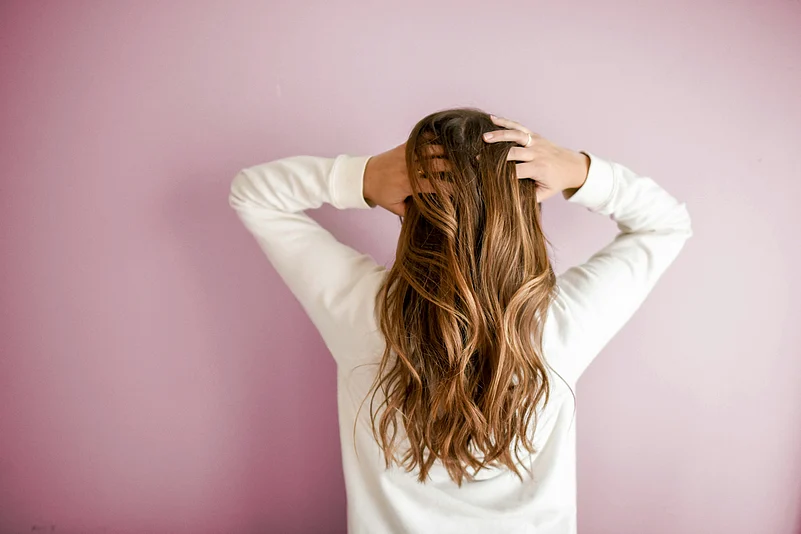
Hair is more than just a part of your appearance—it’s a reflection of your overall health and self-care habits. Whether you’re dealing with dryness, hair fall, dandruff, or just want shinier strands, a good hair care routine is essential for maintaining strong, healthy hair throughout your life.
Here’s a detailed, science-backed guide to human hair care, including tips, routines, and common myths.
1. Understanding Your Hair Type
Before choosing products or practices, it’s important to know your hair type:
-
Straight Hair: Shiny and smooth, but gets oily quickly.
-
Wavy Hair: Has an “S” shape with moderate volume.
-
Curly Hair: Prone to frizz and dryness; needs intense hydration.
-
Coily/Kinky Hair: Very curly and fragile; requires gentle handling and moisture-rich products.
Your scalp type—oily, dry, or balanced—also plays a key role in deciding the right routine.
2. Scalp Health Is the Foundation
Healthy hair begins at the scalp. Keep it clean, balanced, and nourished:
-
Shampoo 2–3 times a week depending on oil buildup and activity level
-
Use sulfate-free shampoos for sensitive or dry scalps
-
Exfoliate gently once a month to remove dead skin
-
Treat dandruff or fungal issues with medicated shampoos (like ketoconazole)
3. Building a Basic Hair Care Routine
Step 1: Cleansing (Shampoo)
-
Do not overwash—it strips natural oils
-
Use lukewarm water, not hot
-
Focus shampoo on the scalp, not hair ends
Step 2: Conditioning
-
Always condition after shampoo
-
Apply from mid-length to ends
-
Leave in for 3–5 minutes before rinsing
Step 3: Oiling (Weekly)
-
Use oils like coconut, almond, argan, or castor oil
-
Warm oil slightly and massage into the scalp
-
Leave overnight or for at least 1 hour before shampooing
Step 4: Moisturizing & Protection
-
Apply leave-in conditioner or serum for frizz and heat protection
-
Use satin pillowcases or hair wraps to reduce breakage during sleep
-
Avoid tight hairstyles that strain roots
4. Nutrition for Hair Health
What you eat is as important as what you apply. Essential nutrients include:
-
Protein: Hair is made of keratin (a protein)
-
Iron and Zinc: Prevent hair thinning and loss
-
Omega-3 fatty acids: Found in nuts, seeds, and fish
-
Biotin and B Vitamins: Promote growth and volume
-
Water: Hydration supports follicle health
A poor diet can lead to dry, brittle hair and increased hair fall.
5. Common Hair Problems and Solutions
| Issue | Cause | Solution |
|---|---|---|
| Hair fall | Stress, hormonal imbalance | Scalp massage, biotin, doctor consult |
| Dandruff | Fungal infection, dry scalp | Anti-dandruff shampoo, tea tree oil |
| Frizz | Humidity, dryness | Leave-in conditioners, hair masks |
| Split ends | Heat styling, dry tips | Regular trims, avoid excessive brushing |
| Oily scalp | Overactive sebaceous glands | Mild shampoo, avoid over-conditioning |
6. Hair Growth Tips
-
Massage your scalp regularly to improve blood flow
-
Avoid excessive heat styling (blow drying, straightening)
-
Trim your hair every 8–10 weeks to remove split ends
-
Use silicone-free conditioners to reduce buildup
-
Consider natural masks like egg, aloe vera, and yogurt weekly
7. Myths About Hair Care – Busted
-
Myth: Cutting hair makes it grow faster
✘ Truth: It helps reduce split ends but doesn’t impact follicle growth. -
Myth: Daily oiling is necessary
✘ Truth: Weekly is enough unless you have a dry scalp. -
Myth: Shampooing every day is good
✘ Truth: It can dry out the scalp and damage natural barriers. -
Myth: Hair loss is only genetic
✘ Truth: It can also be caused by lifestyle, diet, and stress.
8. Special Hair Care Needs
-
Color-treated Hair: Use sulfate-free, color-safe products
-
Aging Hair: Add collagen supplements and moisturizing masks
-
Postpartum Hair Loss: Common and usually temporary; maintain nutrition and rest
-
Men’s Hair: Similar care, but with added focus on early hair thinning prevention
Hair Care is Self-Care
Hair care isn’t just about appearance—it’s about nourishing a vital part of your body. A balanced routine, mindful styling, and good nutrition can protect your hair from damage, boost confidence, and improve your overall well-being. Whether your hair is curly or straight, short or long—healthy hair reflects healthy habits.
Comments are closed.