
‘Defining moment’: Swarana Kanta Sharma refuses to recuse in Arvind Kejriwal liquor policy case

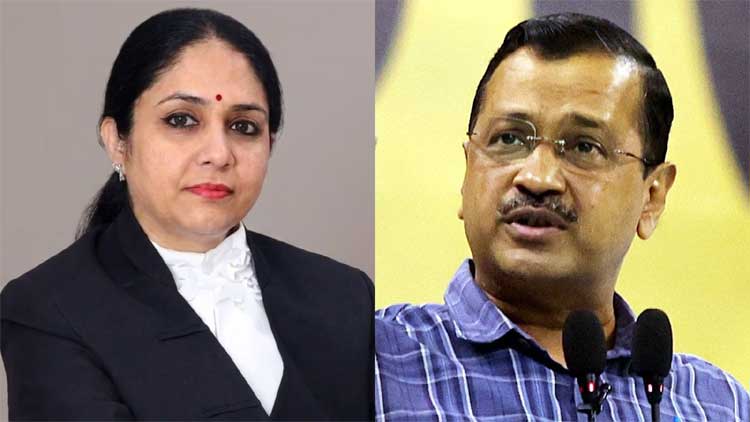
Swarana Kanta Sharma on Monday refused to recuse herself from hearing cases linked to the Delhi excise policy, rejecting pleas filed by Arvind Kejriwal and others over alleged bias.
‘Recusal must stem from law, not narrative’
Dismissing the applications, the Delhi High Court judge said a litigant’s apprehension of not getting relief cannot be grounds for recusal.
“If this court was to recuse, it would be an act of surrender,” she said, adding that allegations without proof cannot meet the legal threshold of “apprehension of bias.”
“Recusal has to stem from law, not from narrative,” she observed, warning that accepting such pleas would undermine judicial independence and set a troubling precedent.
‘Allegations cannot replace proof’
Justice Sharma stressed that judges cannot “abdicate judicial responsibility” due to personal attacks or insinuations.
“The file did not arrive with evidence but with aspersions on my integrity,” she said, adding that allowing recusal in such circumstances would make courts vulnerable to pressure and erode institutional credibility.
She also noted that recusal could create a perception that judges are influenced by parties or ideologies, which would damage public confidence in the judiciary.
On attending lawyers’ body events
Addressing claims about her participation in events organised by the Akhil Bharatiya Adhivakta Parishad, the judge said these were professional gatherings, not political functions.
She added that such interactions between the bench and the bar are routine and necessary, cautioning that restricting them based on litigants’ perceptions could “open floodgates” of mistrust and discourage judicial engagement in professional forums.
Background of the dispute
The controversy arises from cases related to the Delhi excise policy. A trial court had earlier discharged Kejriwal and others, but the Central Bureau of Investigation challenged that order in the High Court.
Kejriwal argued that there was a “reasonable apprehension of bias,” citing earlier rulings, the judge’s remarks during hearings, and her children’s empanelment as government lawyers. He also referred to the Supreme Court judgment in Ranjit Thakur vs Union of India to support his plea.
CBI’s response
Opposing the recusal request, Solicitor General Tushar Mehta termed the plea a “dangerous precedent,” arguing that judges routinely attend bar events and that the allegations lacked merit.
Court’s stance
In her ruling, Justice Sharma reaffirmed that impartiality is presumed in favour of judges and cannot be questioned on tenuous grounds.
“Judicial integrity cannot be put to trial by a litigant,” she said, underscoring that courts must remain guided by law rather than perception or pressure.
Comments are closed.