
Delhi-NCR, Punjab, Haryana Hit By Taxi-Auto Strike; Rs 300 Cab Rides Now Cost Rs 800

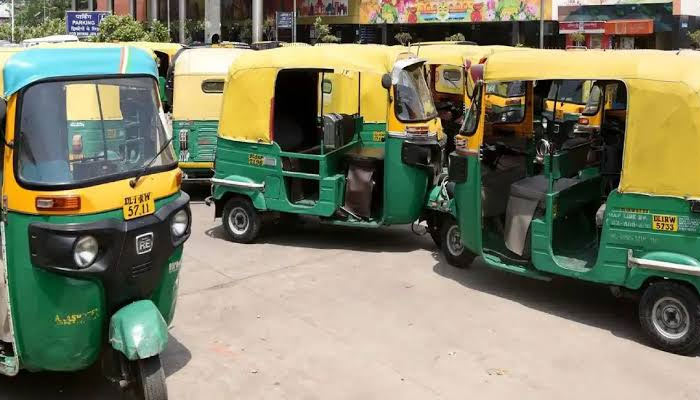
Cab commuters in Delhi-NCR faced a steep rise in travel costs on Thursday as transport unions launched a protest demanding changes to the existing fare structure and restrictions on app-based bike taxi services.
The demonstration, held during morning office hours, affected ride availability and pushed up prices on platforms such as Ola, Uber and Rapido. The increase was particularly noticeable on longer routes. A cab journey from Greater Kailash in South Delhi to Film City in Noida, which usually costs approximately Rs 300, was priced at more than Rs 400 around 9 am. By 10 am, the fare had climbed beyond Rs 500 as demand increased. One commuter reportedly ended up paying Rs 800 for the same journey.
The protest was organised by transport unions associated with the Bharatiya Mazdoor Sangh (BMS) at Ramlila Maidan in Delhi. Among their key demands are higher auto-rickshaw and taxi fares, a prohibition on private bike-taxi operations and the removal of certain fitness-related conditions imposed on auto-rickshaws. The unions have also highlighted concerns over driver earnings, working conditions and personal security.
A cab driver based in Delhi questioned the growing influence of private ride-hailing companies, arguing that they were affecting the earnings of traditional transport operators. Speaking to India Today, he said, “If the government can ban TikTok, why can’t it ban Ola, Uber and Rapido?”
He favoured Bharat Taxi as an alternative but questioned why the platform had not become popular among passengers. Interestingly, the driver himself was registered with all four services.
COMMUTERS FEEL THE PINCH AS FARES RISE
The impact of the protest was also evident in shorter journeys. A homemaker from South Delhi told India Today Digital that an auto ride covering approximately three kilometres from Hemkunt Colony to Cambridge School was costing Rs 90-92 on Uber, compared with the usual Rs 75-80.
She also reported an increase in hourly cab rental charges. A booking that normally cost around Rs 325 for one hour and a 10-km limit had risen to Rs 406. Regular cab journeys were also approximately Rs 10-15 more expensive than usual.
In another instance, she attempted to book a round trip from Greater Kailash to Sreenivaspuri through Uber. Although the application displayed a fare of Rs 190 for the return journey, the driver declined to accept the booking at that price and demanded Rs 150 for a one-way trip, taking the total to Rs 300.
Such incidents have raised concerns among passengers, with some drivers allegedly refusing app-generated fares and negotiating higher payments directly.
An assessment by India Today Digital found that Ola and Rapido fares for both auto-rickshaws and cabs had increased by at least 30% even during non-peak hours.
WHY DRIVERS ARE UNHAPPY WITH APP-BASED FARES
While commuters are struggling with higher prices, cab drivers argue that the existing payment model leaves them with limited earnings, particularly on longer routes.
Anupam Kumar, who works with Ola and Rapido, said drivers receive approximately Rs 104-114 for the first three kilometres, depending on the platform. However, the per-kilometre payment reduces as the journey moves into longer distance categories.
According to Kumar, the payment structure is divided into different distance slabs, with earnings declining significantly after the initial 10 kilometres. Drivers receive comparatively less for trips covering 10-20 km, with payments falling further in the 20-30 km category.
He cited journeys between South Delhi and Gurgaon or Greater Noida, which can cover 30-35 kilometres, as examples of routes that offer poor returns.
Kumar explained that the earnings keep declining with every additional distance bracket, even though fuel expenses continue throughout the journey. This, he argued, makes longer bookings financially unattractive for drivers.
He also highlighted differences between platforms in compensating drivers for delays caused by traffic. According to him, Ola adjusts payments based on waiting time, whereas Rapido does not provide a similar benefit, leaving drivers with unchanged earnings even when they remain stuck in congestion.
TRANSPORT PROTEST SPREADS BEYOND DELHI-NCR
The demonstration has also affected transport operations in neighbouring areas, including parts of Haryana, Ambala and Chandigarh.
Kumar claimed that union members were monitoring vehicles arriving from Delhi-NCR to check whether drivers were accepting app-based bookings or operating through conventional arrangements. He alleged that drivers found transporting passengers through ride-hailing applications were facing action, including the seizure of their mobile phones.
Such restrictions have reportedly made it difficult for some drivers to continue operating through online platforms in areas outside the national capital region.
DRIVERS SEEK SAFETY MEASURES AND WELFARE SUPPORT
Beyond the dispute over fares and platform commissions, driver safety has emerged as another important issue behind the protest.
Kumar pointed to incidents of attacks on cab drivers, including a recent murder in Faridabad, saying such cases have increased insecurity among transport workers in the region.
Drivers are demanding stronger safety arrangements, including a passenger verification mechanism that would allow them to establish the identity of customers before accepting bookings.
The unions have also called for a dedicated welfare board for auto-rickshaw and taxi operators, a review of Delhi’s electric vehicle policy to address transport workers’ concerns and quicker processing of employment-related documents by the Delhi Transport Department.
The protest has brought attention to the growing divide between passengers and drivers in the app-based transport industry. While commuters are dealing with inflated fares and difficulties in securing rides, drivers maintain that the current payment system does not adequately compensate them for fuel expenses, long-distance travel, traffic delays and safety risks.
Comments are closed.