
Delhi Pollution Row: Justice Vikram Nath Says Lawyers Can Work Hybrid, Judges Cannot

‘Lawyers Have Hybrid Option, Judges Cannot Work From Home’: SC Justice Vikram Nath on Delhi Pollution
A light-hearted exchange in the Supreme Court highlighted the concerns surrounding Delhi’s worsening air quality after Diwali, with Justice Vikram Nath observing that pollution levels were likely to deteriorate significantly following the festival.
The remarks came during a hearing when senior advocate Indira Jaising requested that a matter be listed for mid-November. Referring to the severe pollution that Delhi typically experiences around Diwali, she raised concerns about the timing of the hearing.
Justice Nath suggested that the matter be taken up before the festival, noting that air quality was expected to become considerably worse afterwards.
‘Lawyers Have Hybrid Option, Bench Must Sit in Court’
During the exchange, Jaising pointed out that pollution remained a concern both before and after Diwali. She also indicated her willingness to appear in person despite the poor air quality.
Justice Nath, however, highlighted the difference between the working arrangements available to lawyers and judges. While lawyers can sometimes attend hearings virtually through hybrid proceedings, judges are required to sit in court to conduct hearings.
The observation drew attention to the practical challenges faced by judicial officers and others whose professional responsibilities require them to travel to workplaces even when air quality deteriorates.
Hybrid hearings can provide some flexibility to legal practitioners, but the availability of virtual appearances depends on the applicable court arrangements and permissions.
Delhi Braces for Post-Diwali Pollution
The exchange comes as Delhi and the wider National Capital Region prepare for the seasonal rise in air pollution that commonly occurs during late autumn and winter.
Several factors contribute to the deterioration, including vehicle emissions, road dust, industrial pollution, construction activity, agricultural residue burning in neighbouring states and weather conditions that prevent pollutants from dispersing.
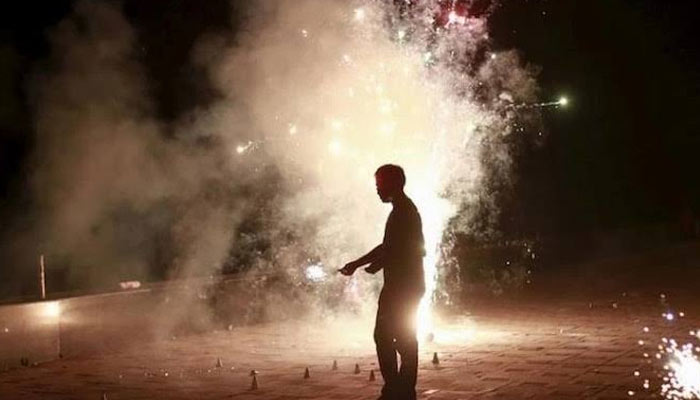
Firecracker emissions around Diwali can add to the pollution burden, although the severity and timing of the impact vary with weather conditions and other emission sources.
High concentrations of fine particulate matter, particularly PM2.5, can pose serious health risks, especially for children, older adults and people with existing respiratory or cardiovascular conditions.
Supreme Court’s Continuing Focus on Air Pollution
Delhi’s recurring pollution crisis has prompted legal scrutiny of measures intended to control emissions, regulate firecrackers and address agricultural burning across northern India.
The effectiveness of these interventions remains a major concern as the capital enters the months when stagnant atmospheric conditions can contribute to prolonged periods of poor air quality.
Justice Nath’s remarks brought a practical dimension to the issue, highlighting how pollution affects even institutions that continue to function through the winter months.
For Delhi residents, the challenge extends beyond temporary discomfort. Sustained exposure to polluted air can affect public health, while poor visibility and hazardous conditions can disrupt commuting and everyday activities.
As the festive season progresses, the focus will remain on pollution-control measures and their implementation across Delhi-NCR, particularly if air quality deteriorates in the days following Diwali.
Comments are closed.