
Dengue Alert: Early Signs in Children Parents Shouldn’t Ignore

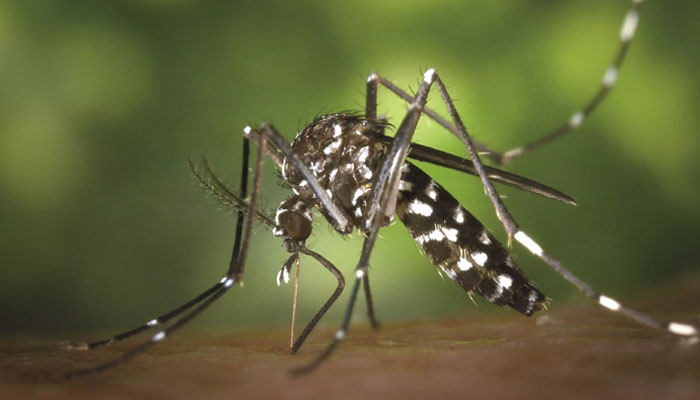
Dengue in Children: What Every Parent Needs to Know.
Dengue is spreading rapidly across the globe. In 2024, more than 14 million cases were reported worldwide, with India among the worst-hit. The World Health Organization (WHO) warns that over 4 billion people are already at risk, and that number could reach 5 billion by 2050.
For children, dengue can be especially dangerous. Since there’s no specific cure, early recognition and timely medical care are crucial.
What is Dengue?
Dengue is a viral illness spread by the Aedes aegypti mosquito. It often starts like a simple fever but can become life-threatening if ignored.
WHO Classification of Dengue
1. Dengue without warning signs (mild form):
- Sudden high fever
- Headache
- Pain behind the eyes
- Muscle and joint pain (“break-bone fever”)
- Nausea, vomiting
- Rash
Mild gum/nose bleeding
2. Dengue with warning signs (needs close monitoring):
Persistent abdominal pain
Repeated vomiting
Fluid build-up (swelling in belly/chest)
Nose or gum bleeding
Extreme tiredness/restlessness
Enlarged liver
Drop in platelet count with thickened blood
3. Severe Dengue (life-threatening):
Severe fluid leakage → shock
Breathing difficulty (fluid in lungs)
Heavy bleeding
Organ damage (liver, heart, brain)
Key Warning Signs Parents Must Watch
Most dengue cases in kids are mild, but 20–30% show warning signs and up to 5% progress to severe dengue.
Seek medical attention if your child has:
- Persistent abdominal pain (especially upper right)
- Continuous vomiting
- Bleeding (gums, nose, vomit, stool, heavy periods in teens)
- Sudden flushed or reddish skin
- Extreme weakness or unusual drowsiness
- Swelling in belly or trouble breathing
- Fever going down but child looks worse (critical red flag)
- Treatment & Home Care
- There is no antiviral drug for dengue. Care focuses on managing symptoms:
- Ensure plenty of fluids (ORS, soups, water)
- Use Paracetamol (Acetaminophen) for fever (avoid over-dosage)
- Never give Ibuprofen or Aspirin – they increase bleeding risk
- Monitor your child’s condition closely
- When to Rush to the Hospital
Take your child to emergency care if you see:
- Severe stomach pain
- Repeated vomiting
- Any bleeding
- Breathing difficulty
- Extreme fatigue or unusual behavior
- Rapid drop in platelet count
- Can Dengue Be Prevented?
- Yes – prevention is the best protection:
- Apply mosquito repellents, cover arms/legs
- Use mosquito nets while sleeping
- Remove stagnant water around the house
- Keep doors/windows screened
Final Word for Parents
Dengue in children can worsen quickly. Don’t wait for symptoms to improve on their own. If your child has fever and any warning sign, seek medical care immediately.
Comments are closed.