
Dengue Mosquitoes Don’t Just Bite in the Morning: What You Need to Know

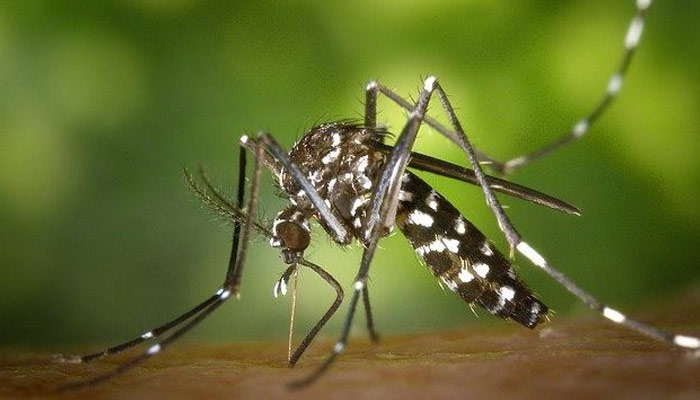
Understanding Dengue and Its Mosquito Carrier.
Dengue is caused by the dengue virus (DENV), primarily transmitted by Aedes aegypti mosquitoes and, to a lesser extent, Aedes albopictus. These mosquitoes thrive in urban settings, laying eggs in stagnant water around homes, offices, and public spaces. Once infected, a mosquito can carry the virus for life, transmitting it to humans with every bite.
Unlike Anopheles mosquitoes, which spread malaria and are active mostly at night, Aedes mosquitoes do not confine their biting to a single timeframe, which often leads to misconceptions.
When Do Dengue Mosquitoes Bite?
Scientific studies, including those by the World Health Organization (WHO) and India’s National Vector Borne Disease Control Programme, show that Aedes aegypti mosquitoes are most active during early morning and late afternoon. Peak activity generally occurs for a couple of hours after sunrise and again in the hours before sunset.
However, this does not mean they only bite during these times. Dengue mosquitoes are capable of biting throughout the day, especially in shaded or indoor areas with low light. During the monsoon season, when breeding sites multiply, mosquito activity can remain high from morning until evening, increasing the risk of transmission.
Dispelling the Myth
The misconception that dengue mosquitoes bite only in the morning likely comes from early observational studies that recorded higher bite counts during sunrise. While this pattern exists, it does not eliminate the risk of bites at other times, particularly in the late afternoon and early evening.
Prevention Measures: Vigilance All Day
Because Aedes mosquitoes can bite at multiple times, dengue prevention should be continuous. Key recommendations include:
1. Control Breeding Sites
Empty stagnant water from containers such as flower pots, buckets, utensils, discarded tyres, and water storage tanks.
Change water in plant trays and bird baths frequently.
Cover stored water to prevent mosquito access.
2. Use Physical Barriers
Install mesh screens on doors and windows.
Wear long-sleeved clothing and keep doors closed during peak mosquito hours.
3. Apply Repellents
Use mosquito repellents on exposed skin throughout the day, not just in the morning.
Mosquito nets can offer additional protection indoors.
4. Community Action
Participate in local clean-up drives to remove puddles and standing water.
Fumigation can help reduce mosquito populations in neighborhoods.
5. Exercise Caution While Traveling
In dengue-prone or rainy areas, take precautions against bites at all hours of daylight.
Dengue mosquitoes do not restrict themselves to a single “danger hour.” While activity peaks in the early morning and late afternoon, bites can occur anywhere from dawn to dusk, especially in shaded or indoor locations.
Prevention requires constant vigilance, accurate knowledge of mosquito behavior, and community action. Understanding that dengue is not a morning-only risk is crucial for staying safe and reducing transmission rates.
Comments are closed.