
EC Directs Officials to Prepare for April Launch of SIR Across 22 Regions

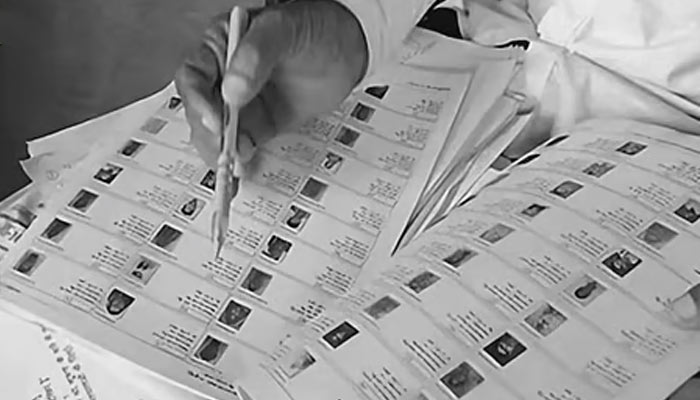
The Election Commission of India has directed Chief Electoral Officers (CEOs) in 22 states and Union Territories to be fully prepared for the likely rollout of the Special Intensive Revision (SIR) of electoral rolls from April 2026.
In a recent letter, the Commission asked officials to complete all groundwork in advance to ensure the smooth conduct of the large-scale revision exercise, which is aimed at updating and cleansing voter lists.
22 States and UTs Identified
The SIR is expected to begin in the following states and Union Territories:
Andhra Pradesh, Arunachal Pradesh, Chandigarh, Dadra and Nagar Haveli and Daman and Diu, Haryana, Himachal Pradesh, Jammu and Kashmir, Jharkhand, Karnataka, Ladakh, Maharashtra, Manipur, Meghalaya, Mizoram, Nagaland, National Capital Territory of Delhi, Odisha, Punjab, Sikkim, Tripura, Telangana and Uttarakhand.
The poll body has emphasised that all administrative and logistical arrangements must be put in place at the earliest to facilitate the mega exercise.
Second Phase of Nationwide Drive
In October last year, the Commission had announced phase two of the SIR in 12 other states and UTs — Andaman and Nicobar Islands, Chhattisgarh, Goa, Gujarat, Kerala, Lakshadweep, Madhya Pradesh, Puducherry, Rajasthan, Tamil Nadu, Uttar Pradesh and West Bengal — where the process has already been undertaken.
The Special Intensive Revision is carried out periodically to ensure the accuracy of electoral rolls by removing ineligible entries and enrolling eligible citizens.
First Comprehensive Revision in 21 Years
Chief Election Commissioner Gyanesh Kumar has said the last SIR was conducted between 2001 and 2004 — over two decades ago. Over the years, issues such as frequent migration, duplicate voter ID cards, non-removal of deceased voters and wrongful inclusion of foreign nationals have accumulated.
He noted that since 1951, the SIR has been conducted eight times, and the Commission has now opted for a phased, step-by-step rollout across the country.
How the SIR Will Be Conducted
The exercise will begin with a pre-enumeration phase, during which electoral rolls in the identified states and UTs will be frozen.
Electoral Registration Officers (EROs) will print unique enumeration forms for every registered voter. These forms will largely be pre-filled with details such as name, polling booth, constituency and existing photograph.
Booth Level Officers (BLOs) will visit each household three times to carry out the verification process. They will:
- Distribute enumeration forms to existing voters
- Assist electors in verifying and linking their details with records from the last SIR (2002–2004)
- Collect Form 6 applications and declaration forms from new voters seeking inclusion
- Submit completed forms to the EROs
To ensure that genuine electors — especially senior citizens, persons with disabilities, economically weaker sections and other vulnerable groups — are not inconvenienced, the Commission will also deploy volunteers to assist them.
Following verification, EROs and Assistant EROs (AEROs) will prepare draft electoral rolls based on the forms received. Notices will be issued to individuals whose details cannot be matched with previous SIR records. After hearings and due process, final decisions on inclusion or deletion will be taken and the revised rolls will be published.
Comments are closed.