
EU Leaders Burn the Midnight Oil to Address Belgium’s Concerns Over Russian Retaliation for Ukraine Loan

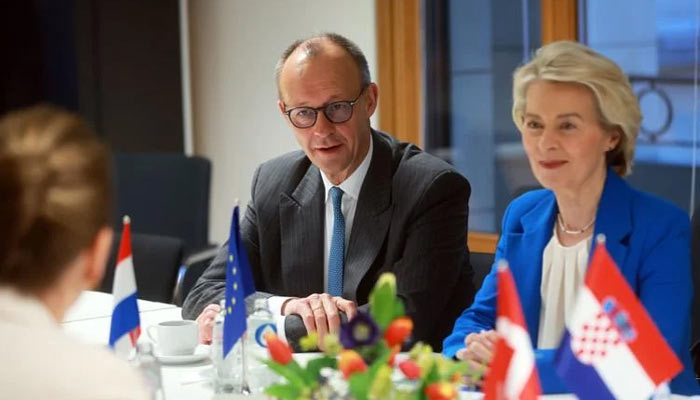
EU leaders stayed late into Thursday night to address Belgium’s concerns over potential Russian retaliation if it supports a €90 billion loan to Ukraine, as President Volodymyr Zelensky pressed for urgent action to keep Ukraine financially stable in 2026.
At the Brussels summit, officials from the 27-member bloc debated using tens of billions in frozen Russian assets to fund Ukraine’s military and economic needs over the next two years. Most of the €193 billion in frozen assets are held by Euroclear, the Brussels-based clearinghouse now facing a lawsuit from Russia’s central bank—raising fears in Belgium of legal and financial exposure.
Belgian Prime Minister Bart De Wever stressed the need for strong safeguards, describing it as needing a “parachute” to feel secure. Belgium has proposed that the EU borrow funds from international markets instead, and that frozen assets in other EU countries also be included, with guarantees to protect Euroclear from potential Russian legal claims.
Under the “reparations loan” plan, the EU would lend €90 billion to Ukraine, with countries like the UK, Canada, and Norway ready to cover potential shortfalls. Russia’s claim to the assets would remain, but the funds would stay frozen until the Kremlin ends its war and compensates for damages. EU negotiators worked late into the night to address Belgium’s objections.
Zelensky framed the issue as a moral imperative, saying, “Ukraine has the right to this money because Russia is destroying us.” He warned Belgian citizens that legal challenges from Russia are far less dangerous than the threat posed by Russian troops at the border.
EU leaders have pledged to meet Ukraine’s financial needs for 2026 and 2027, with the IMF estimating a total of €137 billion. European Commission President Ursula von der Leyen emphasized urgency, while Polish Prime Minister Donald Tusk called it a choice of “money today or blood tomorrow.”
Support within the EU remains divided. Germany backs using Russian assets, while Hungary, Slovakia, Belgium, Bulgaria, Italy, and Malta are hesitant or opposed. Hungarian Prime Minister Viktor Orbán warned that funding Ukraine could escalate tensions and described the loan plan as a “dead end.”
The summit’s outcome carries high stakes for EU cohesion. Forcing Belgium to participate against its will could complicate consensus-based decision-making in the future. Even after a political agreement, legal experts and national parliaments would need to ratify the plan before funds can flow to Ukraine.
The resolution will influence Europe’s commitment to financially and militarily support Ukraine and shape how the bloc handles Russian asset claims amid the ongoing conflict.
Comments are closed.