
Ex-Indian Envoy Raises Concern Over SIR Data Mismatch, Questions Citizenship Verification

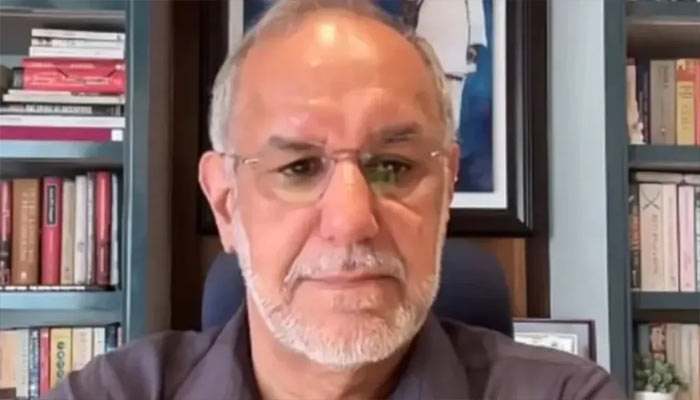
Former Envoy Navdeep Suri Questions SIR Transparency After Citizenship Notice
Former Indian High Commissioner Navdeep Suri has questioned the transparency of the Election Commission’s Special Intensive Revision (SIR) exercise after he was asked to submit documents proving his Indian citizenship.
Suri, who served as India’s High Commissioner to Australia and Ambassador to the United Arab Emirates and Egypt, shared details of his experience on X, saying the process raised questions about how ordinary voters would navigate the verification exercise.
Suri details SIR experience
Suri said he visited a Booth Level Officer (BLO) in Punjab and submitted his voter ID and Aadhaar card during the SIR process. He said he was initially told that his details were correct.
However, a volunteer later informed him that his information did not match the electoral roll from 2003. Suri said the BLO subsequently issued him a notice requiring him to produce documents establishing his Indian citizenship.
Suri explained that he was serving abroad in 2003 and was therefore not in India at the time. He was subsequently asked to provide his passport as evidence of citizenship.
Former diplomat questions impact on citizens
Expressing concern over the experience, Suri said he had access to additional documents but questioned how people without extensive records would manage the process.
“I happen to have documents other than voter ID and Aadhaar card. But can’t help asking: If I have trouble establishing my citizenship after representing India in three countries, what’s the fate of the common citizen?” he wrote.
His comments have brought renewed attention to concerns over documentation and verification under the SIR exercise, particularly for voters whose current records do not match older electoral rolls.
Documents required to establish links with older rolls
Under the SIR process, voters whose names were not included in the relevant previous electoral rolls may be required to provide documents establishing their connection with the earlier records.
The Election Commission had initially listed 11 documents for the exercise. Following the Supreme Court’s intervention, Aadhaar was subsequently included among the documents that could be submitted.
The SIR process has become a subject of legal and political debate, with concerns raised over transparency, documentation requirements and the possibility of genuine voters facing difficulties during verification.
The courts have also stressed that the Election Commission’s powers in revising electoral rolls are subject to legal limits and must be exercised in accordance with principles of fairness, transparency and natural justice.
Comments are closed.