

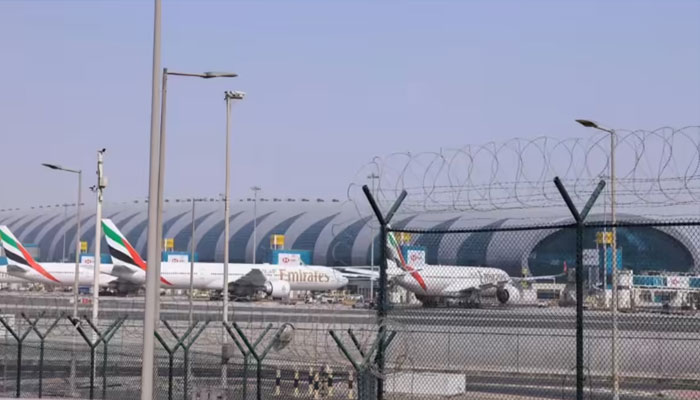
As global travel becomes increasingly unpredictable, disruptions are no longer limited to weather or technical issues.
Geopolitical tensions—such as the ongoing conflict involving Iran and Israel—are now directly affecting flight routes, schedules and border access. In such situations, travel insurance can provide a safety net, but it is far from all-encompassing. Knowing what it covers—and what it doesn’t—is crucial.
Flight cancellations: Airline takes the lead
In most disruption scenarios, airlines remain the first point of resolution. Cancellations may result in refunds, credits or alternate bookings, depending on the carrier’s policy. Travel insurance typically steps in as secondary support, covering missed connections or delays caused by unforeseen events.
However, when cancellations are linked to airspace closures or conflict-related risks, many policies impose limits or exclusions. In such cases, compensation is more likely to depend on airline provisions than on insurance claims.
Stranded travel: Limited financial cushion
Delays can quickly translate into additional expenses such as hotel stays, meals and local transport. Some insurance policies reimburse these costs, but only after defined waiting periods and within capped limits.
In large-scale disruptions—such as prolonged airspace shutdowns—coverage may be restricted. If you are stranded for multiple days due to conflict, a significant portion of the cost may still fall on you.
Government advisories: A deciding factor
Official travel advisories play a critical role in determining claim eligibility. If you travel after a warning—particularly one advising against non-essential trips—coverage for related disruptions may be reduced or denied.
If advisories are issued after your journey begins, some policies may still honour claims. However, this varies widely, making it essential to review the terms carefully before travel.
War and conflict clauses: The key exclusion
Most travel insurance policies explicitly exclude war, armed conflict and political unrest. Claims directly or indirectly linked to such events are often rejected.
Medical emergencies usually remain covered, including hospitalisation or evacuation due to injury. However, non-medical evacuations triggered by security concerns are far less certain, often leaving travellers dependent on government evacuation efforts.
Before you buy: Read the fine print
A policy’s true value lies in its details. Before purchasing travel insurance, review exclusions related to conflict, definitions of delays and cancellations, and the scope of stranded expense coverage. Also check how advisories affect claims, whether non-medical evacuations are included, and if round-the-clock assistance is available during major disruptions. In uncertain times, informed choices offer the best protection.
Comments are closed.