
FATF Issues Warning to Pakistan: Grey List Removal Doesn’t Eliminate Terror Financing Risks

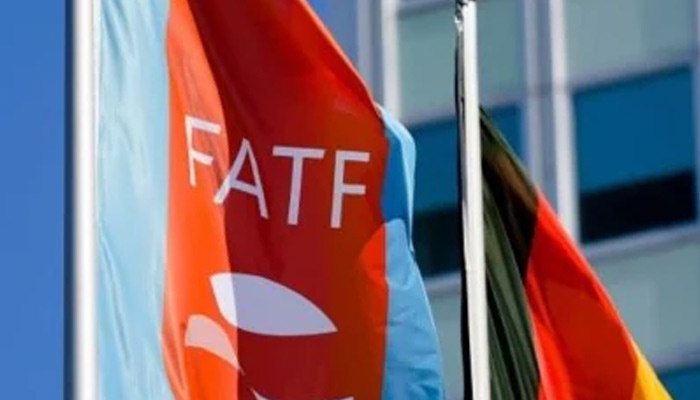
FATF has warned Pakistan that leaving the grey list in October 2022 does not make it immune to scrutiny over terror financing and money laundering.
The alert comes after reports that Jaish-e-Mohammad (JeM) is reportedly raising funds through digital wallets, including female-led initiatives, often disguised as religious or community webinars to evade oversight. FATF President Elisa de Anda Madrazo emphasized that countries delisted from the grey list remain under follow-up review. “Exiting the grey list does not make any country bulletproof against criminals, whether money launderers or terrorists,” she said, urging continued vigilance.
Intelligence reports indicate Pakistan-based terror groups are using e-wallets, crypto platforms, and mobile banking apps to move funds between Karachi, Quetta, Peshawar, and cells in Afghanistan and the Gulf. Micro-donations via apps like JazzCash, Easypaisa, and Sadapay are being pooled for terror activities. Some funds have been traced through Dubai-based wallets and crypto exchanges before entering Pakistan’s fintech system.
FATF flagged Pakistan for weak KYC enforcement and domestic fintech firms enabling anonymous transfers to madrassa-linked accounts. Groups like JeM and Lashkar-e-Taiba reportedly use crypto-mixing tools to conceal transaction origins. Any further discovery of terror-financing activity through digital wallets could result in Pakistan being grey-listed again and affect its IMF negotiations.
Indian intelligence agencies are monitoring cross-border crypto transactions and online donation campaigns tied to Pakistan, particularly those funding Kashmir-based networks.
Pakistan was first grey-listed in 2008 and remained on the list from June 2018 to October 2022. Despite implementing a FATF-mandated action plan to secure its exit, the country continues to face close international scrutiny to prevent technology-enabled money laundering and terror financing.
Comments are closed.