

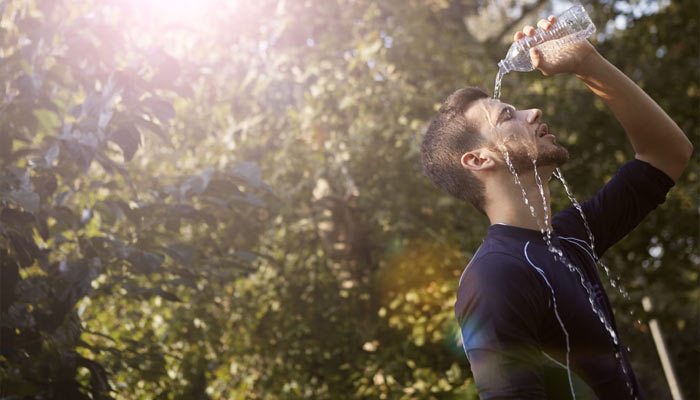
With temperatures soaring across many parts of the country, protecting yourself from extreme heat has become more important than ever.
Prolonged exposure to high temperatures can lead to dehydration, heat exhaustion and even heatstroke. The good news is that a few simple changes to your daily routine can help you stay cool and safe.
1. Drink Water Frequently
Don’t wait until you’re thirsty to hydrate. Sip water throughout the day and include natural drinks like coconut water, buttermilk or lemon water to replenish lost fluids and electrolytes.
2. Cool Your Body Quickly
Splash cool water on your face, wrists, neck and feet, or apply a cold, damp towel to these areas. Cooling your pulse points helps bring down body temperature faster.
3. Fill Your Plate With Hydrating Foods
Add water-rich fruits and vegetables such as watermelon, cucumber, oranges, muskmelon, tomatoes and strawberries to your meals. These foods help maintain hydration while providing essential vitamins.
4. Dress for the Weather
Wear loose-fitting, lightweight clothing made from breathable fabrics like cotton or linen. Light-coloured clothes absorb less heat and help your body stay cooler.
5. Take a Refreshing Shower
A cool shower is one of the quickest ways to lower body temperature. If that’s not an option, soaking your feet in cool water can also provide instant relief.
6. Eat Light Meals
Heavy meals increase the body’s heat production during digestion. Choose smaller, lighter meals that include fruits, salads, curd and other easy-to-digest foods.
7. Stay Out of the Sun
Avoid going outdoors between 11 a.m. and 4 p.m., when the sun is strongest. If you must step outside, wear a wide-brimmed hat, sunglasses and sunscreen, and carry plenty of water.
8. Use Fans and Ventilation Smartly
Keep air circulating with fans and open windows whenever possible. For extra cooling, place a bowl of ice or a frozen bottle in front of a fan to create a cooler breeze.
9. Limit Dehydrating Drinks
Tea, coffee, soft drinks and alcohol can increase fluid loss. Replace them with water, fresh fruit juices or herbal drinks to stay hydrated.
10. Know the Warning Signs
Be alert for symptoms such as dizziness, nausea, excessive sweating, muscle cramps, weakness, headache or confusion. These could signal heat exhaustion or heatstroke. Move to a cool place immediately, drink fluids and seek medical help if symptoms are severe or do not improve.
A few simple precautions can make a big difference during periods of extreme heat. Staying hydrated, avoiding prolonged sun exposure and recognising the early signs of heat-related illness are the best ways to protect yourself and your family throughout the summer.
Comments are closed.