

Food & Fibroids: What to Eat (and Avoid) for Hormonal Harmony.
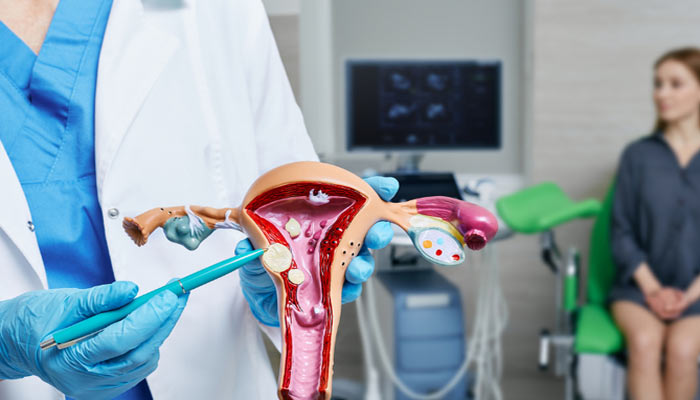
Uterine fibroids — non-cancerous growths in the uterus — affect a large number of women and can lead to heavy periods, bloating, and pelvic discomfort. While treatment options range from medication to surgery, many experts now highlight a lesser-known ally in managing symptoms: your diet.
“Fibroids tend to grow in environments dominated by estrogen, inflammation, and poor liver function,” explains Anushi Jain, Nutritionist & Founder, Nutri Maven. “The right food choices can help regulate hormones and reduce symptoms over time.”
Anshul Singh, Team Lead of Clinical Nutrition at Artemis Hospitals, agrees. “Food isn’t a cure, but it can significantly support hormone balance and slow fibroid growth.”
What to Eat More Of
1. Cruciferous Veggies (Broccoli, Kale, Cabbage)
Loaded with compounds like DIM, these veggies support the liver in flushing out excess estrogen.
“They’re powerful hormone balancers,” says Jain.
2. Flaxseeds & Omega-3s
Flaxseeds help mop up excess estrogen; omega-3s (in walnuts and fatty fish) fight inflammation.
“These are natural hormone stabilizers,” Singh notes.
3. Citrus Fruits & Berries
Rich in antioxidants and vitamin C, these may slow fibroid growth and boost circulation.
“Citrus and berries offer real therapeutic benefits,” says Singh.
4. Whole Grains & Fiber
Foods like oats, lentils, and brown rice help flush out hormones and support gut health.
“Fiber is key to hormonal detox,” Jain emphasizes.
5. Turmeric
Its active compound curcumin has anti-inflammatory properties and may reduce fibroid growth.
“Add it daily — in teas, curries, or supplements,” Jain recommends.
Foods to Cut Back On
1. Red & Processed Meats
Linked to higher estrogen levels and inflammation.
“Minimize these to reduce fibroid risk,” warns Singh.
2. Sugary Foods & Refined Carbs
Cause insulin spikes, worsen hormone imbalance, and may fuel fibroid growth.
“Think twice before that pastry,” says Jain.
3. Excess Soy Products
In large amounts, soy can mimic estrogen — not ideal for estrogen-sensitive bodies.
“Moderation is key,” Jain advises.
4. Alcohol & Caffeine
Strain the liver, which is vital for hormone detox.
“Too much can tip your hormonal balance,” Singh notes.
5. High-Sodium Foods
Trigger bloating and can worsen pelvic pressure.
“Opt for fresh, low-salt options,” Singh suggests.
Bottom Line
A fibroid-friendly diet isn’t about restriction — it’s about nourishment.
“Each meal is an opportunity to support your hormonal health,” says Jain. Singh adds, “Pair smart eating with regular exercise and weight management for better long-term results.”
Whether you’re battling fibroid-related symptoms or simply aiming for hormonal balance, the right foods — rich in plants, fiber, and anti-inflammatory nutrients — can help your body do what it’s designed to do: heal and restore.
Comments are closed.