
Food Inequality Driving Global Hunger and Worsening Climate Change: Report

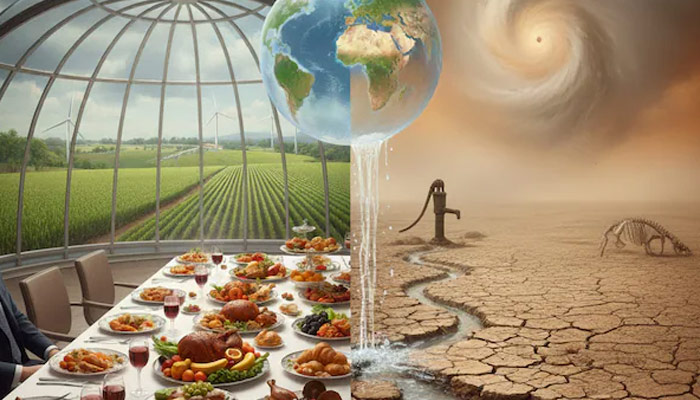
A new report from the EAT-Lancet Commission warns that global food systems are worsening both hunger.
And climate change, with the costs of what we eat and how it is produced now threatening the planet’s future. The report, produced by over 60 experts in nutrition, agriculture, climate science, and public health, builds on the Commission’s landmark 2019 study. It shows how food production and consumption are deeply tied to crises of climate, biodiversity loss, health, and inequality. Without transforming diets and farming practices, the report says, the world cannot stay within safe climate limits or reduce the rising burden of diet-related disease.
While billions still lack access to affordable, healthy diets, the wealthiest 30% of the global population account for over 70% of food-related emissions and environmental damage—from deforestation and water overuse to greenhouse gases. In contrast, nearly half the world struggles to meet basic nutrition and wellbeing needs.
The report calls this imbalance a defining injustice of today’s food systems. Only around 1% of people live in a “safe and just space,” where both human rights and environmental boundaries are respected. The Commission urges urgent action to make diets healthier, food production more sustainable, and access fairer for all.
Comments are closed.