
For the First Time, Mumbai Civic Body Adopts Wildlife Management Measures for Dam Construction

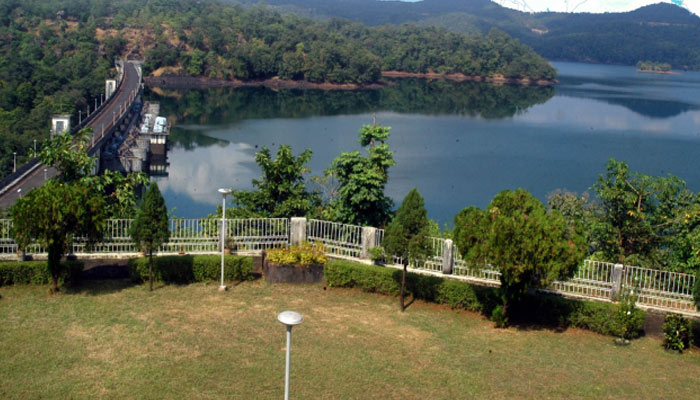
BMC’s First-Ever Wildlife Management Plan for Gargai Dam, Tribal Villages to Be Relocated
The Brihanmumbai Municipal Corporation (BMC) is taking an unusual step beyond its conventional civic responsibilities by introducing a wildlife conservation and relocation programme linked to its proposed Gargai dam project in Maharashtra’s Palghar district. The initiative combines Mumbai’s growing drinking water requirements with plans for forest restoration, wildlife protection and the rehabilitation of tribal communities.
The Rs 3,065-crore Gargai dam project recently received approval from the National Board for Wildlife (NBWL), subject to the fulfilment of environmental commitments made by the BMC.
The proposed reservoir on the Gargai river is expected to submerge nearly 650 hectares of forest land within the Tansa Wildlife Sanctuary, spread across Thane and Palghar districts. To address the ecological consequences, the civic body has proposed a dedicated wildlife management strategy for the northern part of the sanctuary.
Deer and Antelopes to Be Introduced to Attract Leopards
One of the key components of the plan is to increase the population of herbivores, particularly spotted deer and antelopes, in the northern forest belt. The BMC believes that improving prey availability could encourage leopards to move into the region and help restore the natural food chain.
At present, leopards are primarily found in the north-western, central and southern portions of the 335-square-kilometre sanctuary. Their presence in the northern section is relatively limited.
A senior official told The Indian Express that introducing herbivorous animals would help create a suitable habitat for apex predators and encourage leopards to expand their range.
However, the proposal faces a significant challenge. A similar experiment was conducted by the forest department in 2015, when spotted deer were released in the area. Most of the animals were subsequently hunted and killed by local tribal residents.
Six Tribal Settlements to Make Way for the Project
The proposed dam will also affect six tribal villages situated close to the project area. According to a survey conducted in 2019, these settlements have a combined tribal population of 619.
Under the rehabilitation proposal, the affected residents will be shifted to Wada town, located around 21 kilometres away. The BMC has also proposed offering employment within the civic body to one member of every affected family.
According to officials, relocating these settlements would reduce human activity inside the forest, allowing wildlife to breed and inhabit the area with less disturbance.
Rs 250 Crore Wildlife Conservation Budget
The wildlife management plan has been prepared with assistance from experts at the Wildlife Institute of India (WII). The forest department will oversee its implementation, as the BMC does not have specialised expertise in wildlife management.
The civic body has earmarked Rs 250 crore for the programme, equivalent to approximately 8% of the project’s estimated expenditure.
Other proposed environmental measures include converting more than 500 hectares of non-forest land into forest cover and transplanting over three lakh trees from the affected project area.
The BMC is also considering diverting State Highway 34 away from the forest to limit traffic-related disturbance to animals. Meanwhile, part of Khodade village, which is expected to be submerged, has been proposed as a breeding habitat for reptiles such as pythons, cobras and monitor lizards.
Gargai Dam to Add 450 MLD to Mumbai’s Water Supply
The project is aimed at addressing Mumbai’s increasing demand for drinking water. The city currently receives around 4,100 million litres per day (MLD) from its seven lakes, compared with an estimated requirement of 4,600 MLD. Mumbai is presently under a 10% water cut.
The BMC expects daily water demand to increase to 6,424 MLD by 2041. Once completed, the Gargai dam is projected to contribute an additional 450 MLD to the city’s water supply.
Other projects planned to strengthen Mumbai’s water infrastructure include a seawater desalination facility at Manori. The plant is expected to initially produce 200 MLD, with the capacity to expand to 400 MLD.
Gargai Will Be BMC’s Sixth Dam
The BMC has a distinctive record among India’s municipal corporations, having built and operated several dams to meet Mumbai’s water requirements. Its existing facilities include Tulsi, Vihar, Tansa, Modak Sagar and Middle Vaitarna, which was completed in 2014.
The proposed Gargai project will become the sixth dam owned and operated by the civic body.
The Navi Mumbai Municipal Corporation also took over the Morbe dam in Khalapur in 2010, although the infrastructure was originally constructed by the Maharashtra government.
The Gargai project therefore represents a new dimension of municipal infrastructure planning, with the BMC taking responsibility not only for expanding the city’s water supply but also for financing and coordinating wildlife conservation, forest management and the rehabilitation of affected tribal communities.
Comments are closed.